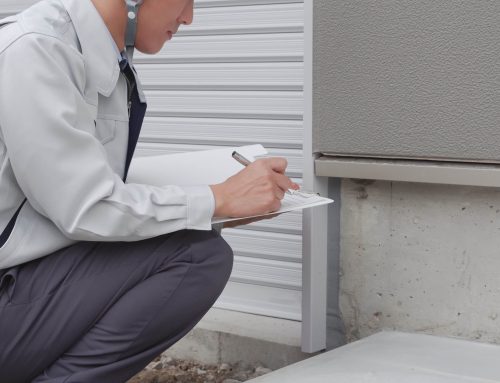

So, imagine this: you already had your home inspected, for example, by a foundation specialist who came to your home, walked its perimeter, took measurements, and also spent some time in your crawl space. And now you are looking at an inspection report that confirms what you had been suspecting: your foundation has a problem. Now the question is, what can you actually do about it? That’s exactly what this blog is here to answer!
And here is something you need to know right from the start: Los Angeles foundation repair is not one where one solution will fit every home! The right repair depends on what type of foundation your home has, what the soil conditions are like beneath your property, whether your home sits on flat ground or on a hillside, and how far the damage has progressed. Once you understand all of these attributes, you will be in a much better position to have a real conversation with a foundation specialist and make an informed decision on how to proceed. So, let’s go through the options, one at a time!
Understanding Slab Foundation Repair in Los Angeles
A slab foundation is a single, solid concrete slab that is poured directly onto the ground, in order to serve as both the foundation and the floor of the home. Many homes in the Los Angeles area, particularly those built during the building boom of the 1950s and 1960s, sit on slab foundations. But here’s the deal, while a well-built slab can last for decades, the reality is that the expansive clay soil under many Los Angeles homes, combined with our seasonal rains, put such foundations under constant stress. As such, it is not a question of whether a slab will develop issues, it’s more a question of when.
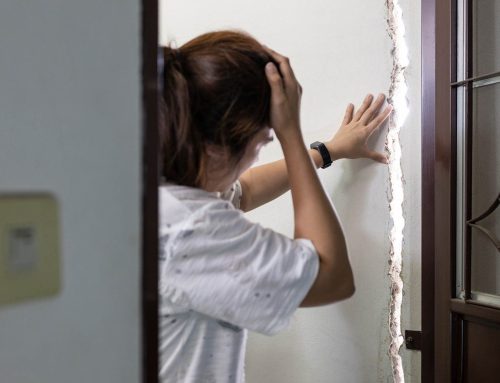
When a slab foundation begins to show problems, the most common signs are cracks in the concrete, uneven or sloping floors inside the home, and plumbing issues. So, how do we do slab foundation repair in Los Angeles? We usually begin with a careful analysis of the type and pattern of observed cracks. For example, hairline cracks from normal concrete shrinkage during curing can be addressed with epoxy or polyurethane crack injection, a process that seals and reinforces the damaged area without requiring major excavation. When such damage is caught early, foundation crack repair in Los Angeles is one of the least invasive and most affordable fixes available!
However, when a slab has settled unevenly, re-leveling may be needed. For this work, one approach is slabjacking (also called mudjacking or foam leveling). This involves pumping material beneath the slab to lift and level it back into position, which works well when the soil has shifted or compressed in a localized area. However, when the soil movement is more widespread (or when the slab itself has significant structural damage) surface-level fixes may not hold. In such situations, deeper stabilization through pier support becomes necessary.
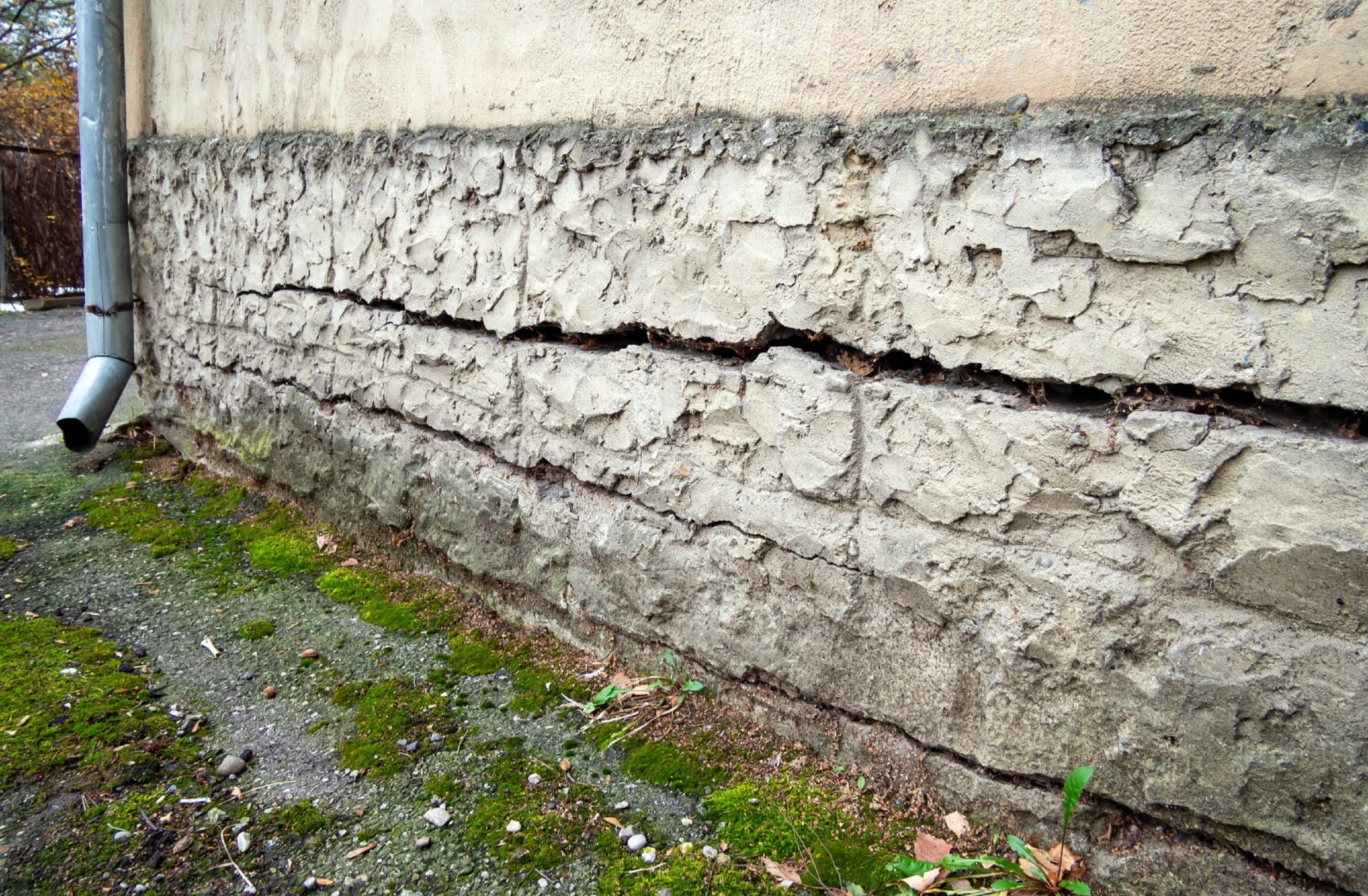
Spalling concrete repair is another type of work that may be required in older Los Angeles slab foundations. Spalling is when the surface of the concrete starts to flake, chip, or crumble. This is often caused by water intrusion or the corrosion of the steel reinforcement bars inside the slab, often due to poor water drainage around the home. If spalling is ignored, it can weaken the slab over time and make its deterioration even more likely. This repair typically involves removing any damaged concrete and applying bonded repair mortar to restore the surface and protect the steel underneath.
As we said above, drainage is also a big part of slab repair planning. In Los Angeles, water that pools around or beneath a slab can saturate the clay soil, causing it to expand. The soil then leaves voids behind as it dries out and contracts, and this can cause the slab to shift and damage. Therefore, addressing foundation drainage solutions as part of the repair process is important, because if this is not corrected, the same problem will come back. In some cases, foundation waterproofing measures are also recommended, to provide the slab with lasting protection against moisture.
At this point you might be wondering, is slab repair enough, or could a home need deeper stabilization? The answer is that it depends on whether or not the soil under the slab has stabilized, or is still moving. If the soil is still moving, then surface repairs alone will not hold over time. In order to figure this out, a structural foundation inspection should be conducted before repair work begins, as it is the only way to answer that question. To understand more about such issues, read our article on the top signs your Los Angeles house might need a foundation repair.
Raised and Pier-and-Beam Foundation Repair Explained
A raised foundation, also known as a pier and beam foundation, is a system where the home sits elevated above the ground on a network of concrete piers, wooden posts, and beams. Instead of resting directly on the soil, the structure is lifted up, creating a crawl space beneath the home. This type of foundation is very common in older Los Angeles neighborhoods, and interestingly, it has an advantage when it comes to repairs!
This is because when the home is elevated, the individual components of the foundation system (e.g., the piers, posts, beams, and joists) can often be accessed, inspected, and repaired without any major demolition. Then, if a pier has settled, shifted, or deteriorated, it can typically be replaced or reinforced without having to dismantle the rest of the system. That’s actually a significant advantage over slab foundations, where access to the structure underneath requires invasive work. Raised foundation repair in Los Angeles, when done correctly, can restore an older home to excellent structural condition at a cost that may surprise a homeowner who wants to make his “repair kitty” go a long way!
Post and pier reinforcement is also a common repair that can be performed on raised foundations throughout our region. Over time, the wood posts that support the beams can rot or shift off their concrete pads, or simply get squashed under decades of heavy loads. Replacing deteriorated posts, moving settled piers back to level, and adding new concrete pads under existing supports, are all standard steps in a pier and beam foundation repair in Los Angeles. The good news is that when this work is done properly, it can significantly extend the life of the foundation and stabilize the home!
Floor leveling in a home with a raised foundation is closely connected to the condition of the structure’s joists and beams. A joist, the horizontal structural member that spans between beams and supports the subfloor above it, can get damaged by moisture, rot, or pest activity. Such damage causes joists to lose their ability to carry a load, and the result is that the floors above begin to sag and bounce underfoot. Joist repair and stabilization, which may involve adding new lumber to damaged joists or replacing sections entirely, is a standard part of many raised foundation repair projects.
Interestingly, one issue we typically highlight during raised foundation repairs is the condition of the crawl space itself. A damp or poorly ventilated crawl space can accelerate the deterioration of the wooden foundation components underneath a home and create conditions that invite mold, mildew, and pests. Look, dealing with crawl space moisture is not optional, but rather a necessary part of a complete and lasting repair. For more on how we address this, see our short video on crawl space encapsulation in Los Angeles!
If you own an older home in Van Nuys, Encino, or Sherman Oaks and your floors have started to feel uneven or a little springy, a raised foundation evaluation can be helpful to understand the issues involved. Plus, For many Los Angeles homeowners, raised foundation home repair turns out to be more straightforward and affordable than they expected. Speak with a Los Angeles Foundation Specialist at Weinstein Construction by calling (818) 855-5752, and we will help you figure out what is going on beneath your home!
When Foundation Underpinning Is Necessary for Long-Term Stability
Many of our clients ask us, what is foundation underpinning? Well, it is the process of strengthening and stabilizing an existing foundation by extending it deeper into stable, load-bearing soil. When the soil directly beneath a foundation is weak, unstable, or prone to movement, it does a poor job in supporting the structure above it. In such cases, underpinning can provide the additional depth and support the foundation needs to stop further settlement and restore its long-term integrity.
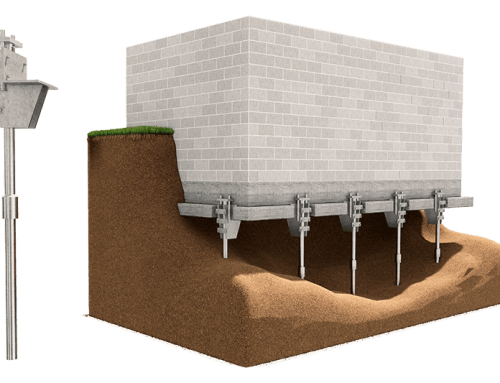
Underpinning becomes necessary when surface-level repairs or basic pier and beam reinforcement simply cannot get to the root of the problem. This is often the case when a home has had its foundation settle, sink, or shift over time in ways that caused visible structural damage to the home. Foundation settlement repair through underpinning gets the job done by driving steel piers or installing concrete supports deep beneath the existing foundation, until they reach bedrock or soil that is stable enough to carry the load of the structure above it.
At hillside properties in the Greater Los Angeles region, caisson foundation repair is a particularly important form of underpinning. Have you heard about caissons? Caissons are a deep, reinforced concrete columns that are drilled into the earth beneath a structure to provide it with support in areas where surface soils are unstable or where the slope of the terrain creates both lateral and vertical loads on the foundation. Hillside homes in some areas of Pasadena, Beverly Hills, and the canyons of the Santa Monica Mountains often rely on caissons as a critical part of their foundational support. When the caissons at those homes deteriorate, or when a hillside home begins showing signs of slope-related movement, caisson foundation repair in Los Angeles can be done. Note, however, that such repairs require careful planning, engineering coordination, and an experienced construction team to perform the job. For a fuller look at how hillside foundations fail and what can be done about it, see our article on how modern caissons technology can save property from earthquake damage.
Although you may be pleasantly surprised to hear that foundation repair through underpinning can be affordable, it does depend on the extent of the work that is required. Having said that, when the soil beneath a home is unstable, underpinning is often a repair method that can hold over the long term. That’s an investment worth making!
In case you are wondering how you would know if your home needs underpinning, keep in mind that the clearest signs are progressive settlement that continued despite previous repairs, large and growing diagonal cracks, floors that develop a significant slope, and doors or windows that have become harder and harder to operate over time. In such cases, a foundation inspection is the best way to determine whether underpinning is the right solution, and the foundation specialists Weinstein Construction can make sure your underpinning project is properly designed and executed! Are you thinking that underpinning might be right for your home? Schedule a Structural Assessment with Weinstein Construction at (818) 855-5752 and let our specialists take a look!
Foundation Reinforcement vs Full Replacement
Most foundation problems can be resolved through one of the repair methods we have described above but there are situations where none of those approaches is sufficient. In such cases, a full foundation replacement in Los Angeles may be the only responsible path forward.
Foundation replacement means the complete removal and reconstruction of a home’s existing foundation. This can be a significant project, and it should always be a last resort rather than a first response. That said, there are times where replacement is not just appropriate but it is also more cost-effective than trying to repair a foundation that is simply too far gone. In many cases, homeowners are surprised to learn that starting fresh with a new foundation can be more reasonable in cost than they expected!
So, in case you are wondering when is a foundation replacement actually necessary, the answer is that it typically comes down to one or more of the following situations:
(1) Severe structural failure: when a foundation has large horizontal cracks, significant crumbling, or has shifted so far out of position that it has compromised the structural integrity of the home above it, repairs may no longer be a reliable solution.
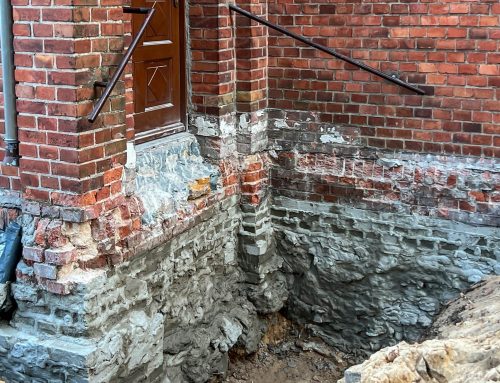
(2) Extensive and widespread settlement: when the clay soil beneath a home has caused cracking and buckling across the full footprint of the foundation (rather than in isolated spots) localized underpinning or pier support cannot fully address the damage. Many older homes in our region, particularly those built before the 1950s, were constructed on foundations made from unreinforced concrete, bricks, river rocks, or hand-mixed mortar with no steel reinforcement. Such early building materials were simply not built to last a century, and over time they deteriorate and crumble. When an old foundation has reached that point, replacement is truly the safest and most practical solution.
Moreover, inadequate drainage control that results in water intrusion is another factor that can eventually push a foundation into “replacement territory.” When water has been getting into a foundation for years without being properly managed, it can erode the concrete, corrode its steel reinforcement, and leave it so compromised that repair is no longer an option. This is exactly why correcting drainage problems and considering foundation waterproofing is important as part of any repair plan.
For a complete overview of when and how foundation replacement is performed, visit our foundation replacement service page. And if your home has experienced post-earthquake damage that may have pushed the foundation beyond a simple repair, see our article on foundation repair after earthquakes for guidance specific to seismic-related structural damage.
Why Accurate Structural Diagnosis Must Come Before Repair
You may be interested to know that many of our clients call us after they already received an estimate from another contractor, and we’re always happy to provide a second estimate. At the same time, we also like to give this other great piece of advice: don’t let anyone quote you a repair price before they have done a proper structural foundation inspection! This is important, and here’s why!
A structural foundation inspection is not just a formality or a preliminary step that you get through quickly on the way to the real work. It’s the process by which a qualified foundation specialist figures out exactly what type of foundation your home has, what is actually causing the damage, how far the problem has progressed, and what repair method is genuinely appropriate for the situation. Without such a diagnosis, a repair quote is essentially a guess! And when a contractor uses the wrong method based on an incomplete assessment, the repair often fails, the problem continues to worsen, and the homeowner ends up spending far more than they would have, had the right diagnosis been made in the first place!
Such a misdiagnosis is a real problem in the foundation repair industry, and it’s especially common issue when homeowners end up choosing a contractor based on who offered the lowest bid without fully understanding what that bid covers and what methods are being proposed. Here’s an example: a contractor who recommends slab re-leveling on a home where the underlying soil is still actively moving is not solving your problem. In this case, the contractor is simply delaying it, and often not for very long! And when the repair fails (and it will), the homeowner will be left with the original problem plus the additional cost of undoing whatever repair work was done. That is a situation nobody wants to be in!
At Weinstein Construction, we perform structural foundation inspections throughout the greater Los Angeles area, from the San Fernando Valley communities of Van Nuys, Reseda, and Burbank, to the hillside neighborhoods of Beverly Hills and Pasadena, to the coastal properties of Santa Monica. Foundation repair in the San Fernando Valley alone represents a significant portion of our work, because soil conditions in this region create persistent and recurring challenges that require skilled diagnostic experience.
Weinstein Construction specialists coordinate seamlessly with licensed structural and soil engineers to make sure repair plans are properly designed and meet applicable Los Angeles building codes and permitting requirements. So, what’s the bottom line? Getting the right foundation specialist to diagnose the problem right the first time will always cost you less than fixing a repair that should never have been made!
Request a Foundation Repair Evaluation from Weinstein Construction
Weinstein Construction has been performing structural foundation inspections and repairs throughout greater Los Angeles since 1977. We work with homeowners and commercial property owners and investors across the San Fernando Valley, Beverly Hills, Santa Monica, Pasadena, and all surrounding communities. We bring decades of real, hands-on experience with the region’s soil conditions, seismic considerations, and regional building requirements. Whether you are dealing with a cracked and settled slab, a raised foundation with deteriorating posts and joists, a hillside property that needs caisson repair or underpinning, or a foundation that has deteriorated to the point where replacement is the only real answer, we can help you understand your situation clearly and honestly. Visit our foundation repair services in Los Angeles page to learn more about our service offering!
Call the foundation professionals at Weinstein Construction today at (818) 855-5752 for a free, no-obligation foundation repair evaluation and inspection. Our professionals will assess your foundation needs, explain your options, and help you make the decision that is right for your home and your budget!