
Modern Retaining Wall Designs – LA Properties
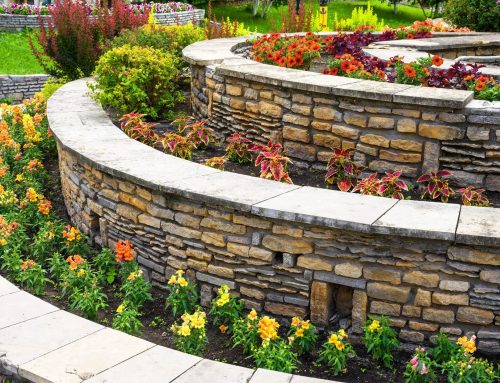
Many of our clients know that retaining walls are not just purely structural barriers tucked into the background of a property. Today, they are recognized as architectural features that can be both functional and stylish. A thoughtfully executed retaining wall holds back soil, manages water runoff, and prevents erosion in sloped areas, while also enhancing the overall design of a home’s exterior environment. At Weinstein Construction, we believe that retaining walls can be both functional and stylish! When we build retaining walls, we use modern designs that improve curb appeal while preventing erosion, which is perfect for Los Angeles homeowners. In a city where first impressions matter and outdoor living is central to lifestyle, the visual and structural impact of a well-designed wall can significantly influence property value!
In Los Angeles, climate patterns have brought record rainfall in recent years, leading to flooded basements and crawlspaces and increasing the risk of mud, debris, and hillside instability for homes built on or near slopes. Gravity naturally pushes water downhill, and when drainage is not properly controlled, water can accumulate around a structure and seep inside, causing costly damage. A properly designed retaining wall helps manage this water runoff, stabilize sloping terrain, and create usable outdoor areas such as terraces for entertainment or gardening. Through a strategic modern retaining wall design LA approach, homeowners can blend engineering precision with attractive landscaping walls and decorative appeal that elevate both safety and aesthetics.
Why Design Matters for Retaining Walls
In Los Angeles, retaining walls often serve as essential structural components for hillside properties as they can hold back runoff water, improve drainage control, prevent erosion, and enhance slope stability. Without a properly designed retaining wall, heavy rain can erode soil on a slope above a property, pushing enormous weight against the structure and increasing the risk of mudslides or landslides. At the same time, these walls are highly visible elements of a property’s exterior. Because they define terraces, frame gardens, and border driveways, their design directly affects overall property perception.
And so, you may be asking yourself, is it possible to design a retaining wall with both form and function in mind? The answer is yes, absolutely! And this can be done in a way that substantially increases a property’s value by beautifying the home! Rather than appearing as a plain barrier, a well-designed wall can integrate seamlessly with landscaping, complementing the home’s architecture, and creating cohesive outdoor living spaces. In Los Angeles, where buyers value well-developed outdoor environments, this integration can certainly set a property apart!
Design also plays a critical role in structural performance. In Los Angeles, walls that are built more than three feet high or support driveways, structures, or slopes, require engineered designs. This is because water accumulation behind a retaining wall can create hydrostatic pressure that can lead to structural failure if not properly addressed. Incorporating weep holes, gravel backfill, or perforated pipes helps direct water away from the wall, reducing pressure and protecting its stability. For such retaining walls, the soil type they are built upon is another important consideration, as hillside soils in Los Angeles can range from clay-heavy areas prone to shifting to sandy or loose soils requiring additional reinforcement.
Furthermore, because the Greater Los Angeles region is “Earthquake Country,” seismic considerations further highlight the importance of design. Retaining walls in Los Angeles should be built to resist seismic forces generated by earthquakes, often requiring reinforcement with steel or geogrid to prevent sliding or overturning. By integrating drainage planning, soil analysis, height requirements, and seismic reinforcement into the design process, homeowners can ensure that their modern retaining wall design LA investment is both visually appealing and structurally sound.
Top Modern Retaining Wall Styles
Modern retaining wall styles in Los Angeles often reflect a blend of clean architectural lines and engineering strength. Homeowners today can choose from poured reinforced concrete, shotcrete, segmental concrete block systems, gabion baskets, and terraced wall configurations, each offering unique aesthetic and structural advantages.
Poured reinforced concrete walls are valued for their exceptional strength and durability when combined with steel rebar reinforcement. Such walls can be designed as gravity or cantilevered structures to resist lateral soil pressure, water load, and seismic forces. Their smooth surfaces and customizable finishes allow them to complement contemporary homes while providing reliable hillside support.
- Shotcrete, also known as gunite, is sprayed at high pressure onto a prepared surface and adheres well to uneven terrain, making it ideal for steep or irregular slopes. When reinforced with steel mesh or rebar, shotcrete walls provide enhanced stability in seismic regions. Their ability to follow natural land contours reduces the need for extensive excavation and allows for more organic, sculpted forms.
- Segmental concrete block walls offer interlocking strength and ease of installation. When reinforced with geogrid, such walls can accommodate steep slopes and heavy loads while allowing water to drain through joints, reducing pressure behind the structure. Their modular appearance makes them suitable for both modern and traditional landscaping walls.
- Gabion walls, constructed from wire baskets filled with decorative rocks, provide superior drainage because their porous structure allows water to pass through, reducing hydrostatic pressure and helping prevent soil erosion. Their ability to shift slightly without cracking makes them ideal in areas where soil movement is expected. At the same time, they add a textured, contemporary look that enhances decorative walls and outdoor design.
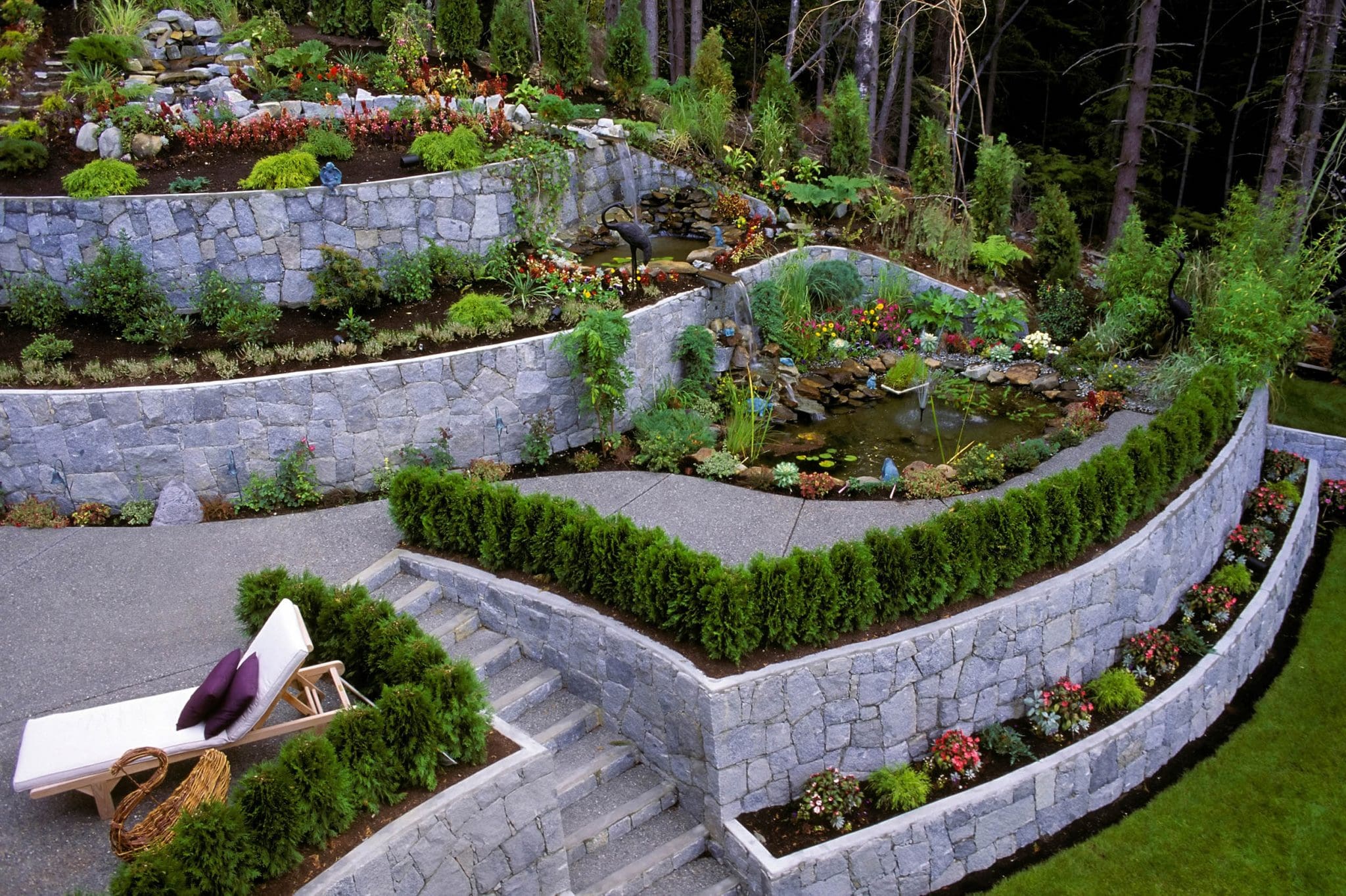
Terraced retaining wall systems are especially effective on steep hillsides. By building multiple shorter walls instead of one tall wall, the overall load on individual segments is reduced while enhancing soil retention. Terracing also creates functional outdoor areas and garden beds, transforming previously unusable slopes into attractive and practical living spaces.
Best Materials for Aesthetic Appeal
Selecting the right material is essential for achieving both beauty and longevity in a retaining wall. Retaining walls are typically custom-built to fit a home’s specific needs and can be constructed from materials such as wood timber, brick, shotcrete, concrete, or rock-filled gabion baskets. Each material offers its own balance of durability, curb appeal, and cost.
Reinforced concrete is widely recognized for its strength and long-term durability and it is considered as one of the more cost-effective material options. This is particularly true when the concrete is combined with steel reinforcement so that it can withstand lateral soil and seismic forces. Concrete walls can also be molded to fit irregular slopes, making them ideal for challenging terrain.
Shotcrete provides similar structural strength as concrete, while offering additional flexibility in application. Because Shotcrete is sprayed onto surfaces at high pressure, it adheres well to uneven slopes and can be shaped to follow natural contours. And when Shotcrete is reinforced with steel mesh or rebar, this enhances its performance in areas prone to seismic activity.
Gabion baskets filled with natural rock offer strong drainage performance and aesthetic appeal. Their porous structure reduces hydrostatic pressure, helping protect the wall from water-related failure. Gabions are also often among the more cost-effective material choices compared to brick construction.
Finally, brick walls can deliver a classic appearance but at the end of the day, they may be a more expensive option than other materials such as concrete or gabions. Timber is also sometimes used for smaller walls but is less durable because it is a natural material that can deteriorates over time.
Balancing Retaining Wall Design with Durability
Balancing design with durability is essential in any modern retaining wall design LA project. These days, our Los Angeles properties face environmental challenges that include heavy seasonal rain, shifting clay soils, and frequent seismic activity. All of these conditions place substantial pressure on retaining walls, making proper construction and maintenance critical.
In fact, water management is one of the most important aspects of wall durability. When water accumulates behind a retaining wall, it increases hydrostatic pressure, which can push the wall outward and lead to collapse. Maintaining efficient drainage by ensuring weep holes are clear and drainage pipes are free of debris reduces soil pressure and protects the wall’s foundation. Incorporating gravel backfill or French drain systems can also help divert water away from vulnerable areas.
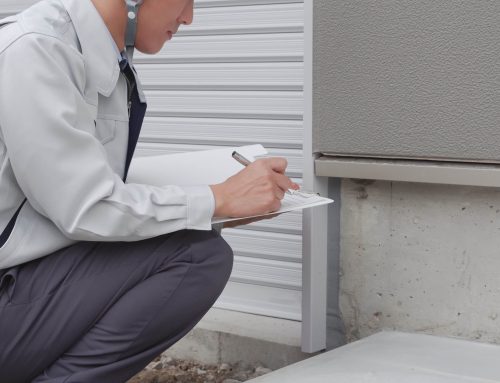
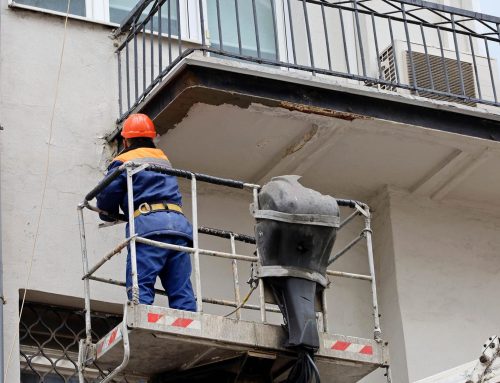
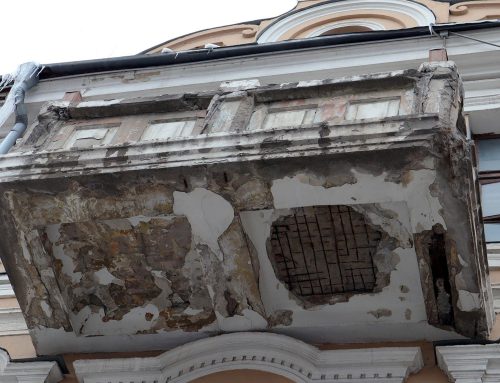
And if you are wondering how you can maintain your retaining wall, you should know that regular inspections can help identify issues early. Conducting inspections at least twice a year allows property owners to look for cracks, bulges, leaning sections, and signs of settling or erosion. If any issues are spotted, then retaining wall professionals such as Weinstein Construction can fix cracks in concrete or stone walls and seal them to prevent water infiltration and further structural damage. This is one area where addressing small problems early can help avoid more extensive and costly repairs later!
Finally, property owners should be aware that soil erosion and settlement behind or at the base of a wall can destabilize the structure, particularly after heavy rainfall or seismic events. Retaining wall professionals such as the ones at Weinstein Construction can add topsoil and properly compact the soil where erosion is observed, and this can help maintain slope stability. In this regard, controlling vegetation growth is also important, as tree roots can penetrate cracks and exert significant pressure on a wall.
Ultimately, retaining walls in Los Angeles are far more than structural necessities. They stabilize hillsides, protect homes from runoff and erosion, create usable terraces, and add significant curb appeal. By combining thoughtful aesthetics with engineered durability, homeowners can transform their outdoor spaces while increasing long-term property value!
If you are interested in building a strong, beautiful retaining wall, contact us for a free hillside retaining wall consultation today at (877) 958-8741! Upgrade your property with a custom-designed retaining wall—get a free estimate today!
Also, to read up on how affordable retaining walls can be, check out our blog on Retaining Wall Cost Breakdown for LA Homeowners.