
Foundation Underpinning: When You Need It, What It Costs, and When to Walk Away
Foundation underpinning is a process used to repair, strengthen, or increase the depth of an existing foundation by lowering the footing to gain a secure hold on more supportive soil. In other words, it reinforces the underpinning foundation of a home, ensuring its long-term stability.
A home’s foundation is the one thing you never want to gamble with. If it starts shifting, cracking, or sinking, the problem won’t fix itself, but rather will only get worse. That’s where foundation underpinning comes in. Underpinning a foundation stabilizes and strengthens a failing foundation before the damage becomes catastrophic. But is it the right solution for a homeowner like you? Let’s break it down!
What Is Underpinning A Foundation?
So, what is underpinning foundation? Essentially, it’s a structural repair process designed to reinforce and stabilize an existing foundation that’s failing or weakening due to shifting soil, poor initial construction, or long-term wear and tear. Underpinning provides the extra support your home needs to prevent further movement!
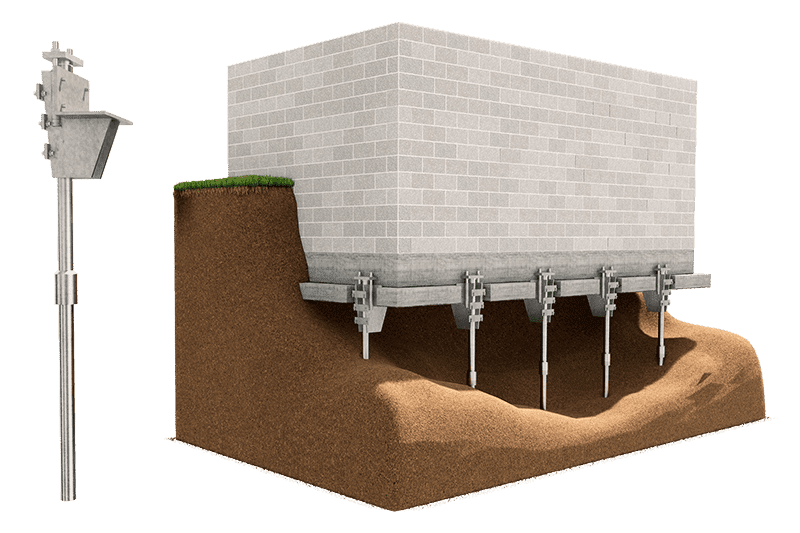
Some of the most common types of underpinning foundations include concrete underpinning, caissons (steel-reinforced concrete piles), and grade beams, which are concrete beams installed below grade level. The process involves extending the foundation deeper into stable soil or using piers, brackets, or additional footings to redistribute weight more effectively. This process is commonly used for homes experiencing foundation settlement, structural instability, or even when adding extra floors to a building that wasn’t originally designed to support them.
If you are curious about the technical side of this process, it’s important to note that proper underpinning design is critical to ensure safety and longevity. Engineers often create detailed plans showing exactly how the underpinning construction will support the home. Moreover, they also often include underpinning images to illustrate the process of how the foundation is supported.
How Do You Underpin a Foundation?
If you are wondering how to underpin a home’s foundation, you should first know this is a common occurrence in homes experiencing settling issues. Typically, professionals excavate beneath the existing footing and install supports such as piers, brackets, or concrete pads. Depending on the home’s needs, underpinning concrete may be poured to strengthen weak sections of the foundation. The process of under pinning must follow a carefully engineered plan to ensure stability. Skipping proper design can lead to incomplete support and more expensive repairs down the line.
How Much Does It Cost To Underpin A Foundation?
Foundation underpinning cost varies widely depending on several factors, including the size of the home, the severity of the damage, soil conditions, and the underpinning method used. On average, homeowners can expect to pay between $3,000 to $5,000 per pier, with total project costs ranging from $15,000 to $75,000 or more. Some of the factors that affect underpinning costs include:
- Extent of Foundation Damage: Minor settlement issues require fewer piers, while severe movement may demand extensive underpinning.
- Soil Conditions: Expansive clay or weak soils often require deeper piers, which can increase the cost of underpin foundation projects.
- Type of Underpinning Used: Helical piers, push piers, and concrete underpinning all have different price points.
- Permit and Engineering Costs: Local building codes may require permits and structural assessments.
While the upfront expense might seem a bit high, it’s important to note that delaying underpinning can lead to cracked walls, sloping floors, jammed doors, and skyrocketing repair bills later on. If you’re wondering how much does underpinning cost for your home specifically, a professional assessment by the underpinning specialists at Weinstein Construction is the best way to get an accurate idea!
Is Underpinning A Good Idea?
Underpinning isn’t just an optional “nice-to-have” upgrade! It’s essential when your foundation is failing. The longer you wait, the worse the damage becomes, and in extreme cases, a collapsing foundation can render a home uninhabitable. Here’s when under pinning is a smart move:
- Your foundation is sinking or settling unevenly. Notice gaps between walls and floors? Doors and windows sticking? Your foundation might be shifting.
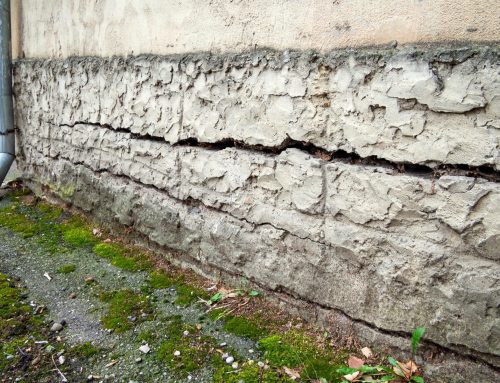
- You see large foundation cracks. Hairline cracks are normal, but if they’re wide, growing, or accompanied by bowing walls, it’s a red flag.
- Soil erosion is affecting your home. If your home sits on expansive or shifting soil, underpinning prevents further movement.
- You’re planning a major remodel. If you’re adding a second story or heavy additions, your existing foundation may need reinforcement.
Proper underpinning restores structural integrity and protects your investment. If your home qualifies, it’s worth every dollar!
When Should You Walk Away From Foundation Problems?
Not every foundation issue is worth fixing. In some cases, the damage is too severe, the repair costs outweigh the home’s value, or soil conditions make a long-term fix impossible. Consider walking away from a foundation problem if:
- The foundation has extreme movement and multiple failed repair attempts. If past fixes haven’t held, ongoing soil instability could make future repairs unreliable.
- The cost to fix the foundation is higher than the home’s value. If the repair estimate exceeds 30-50% of the home’s worth, it may not be a smart financial decision.
- The property is in a high-risk zone for recurring damage. If your home sits in an area prone to landslides, chronic flooding, or extreme soil shifts, foundation issues may never fully go away.
If you’re buying a home and the foundation has major red flags, get a second opinion from a structural engineer. Knowing what underpinning is and how it works can prevent a money pit situation!
Get A Professional Foundation Assessment Today
Foundation problems don’t wait, and neither should you. If you suspect your home needs underpinning, get an expert evaluation before the damage gets worse. Our team at Weinstein Construction specializes in foundation repair and replacement, underpinning construction, and seismic retrofitting, ensuring your home remains stable, secure, and safe.
Call Weinstein Construction today at (818) 855-5752 for a free, no-obligation inspection of your foundation. Protect your biggest investment before small cracks turn into big problems!
Finally, print the below Underpinning FAQ section, so that you have some material to refer to as you are considering foundation underpinning!
Q: What is underpinning?
A: Weinstein Construction’s underpinning professionals like to say that is the process of strengthening or stabilizing an existing foundation. It prevents further settlement or cracking.
Q: What is an underpinning foundation?
A: An underpinning foundation is the reinforced base of a building created through underpinning techniques such as piers, brackets, or concrete underpinning.
Q: How do you underpin a foundation?
A: Professionals excavate beneath the foundation and install supports to stabilize the structure. Proper underpinning design ensures the construction is safe and effective.
Q: How much does underpinning cost?
A: Underpinning cost varies widely depending on soil, size, and method, ranging from $15,000 to $75,000 or more.
Q: What types of underpinning foundations exist?
A: Common types include concrete underpinning, helical piers, push piers, and caissons.
Q: Are there visuals to help understand underpinning?
A: Yes! Many professionals provide underpinning images to show excavation, support installation, and completed reinforcement.
Q: Can underpinning prevent future foundation problems?
A: Proper under pinning / underpinning stabilizes your home and prevents further movement, safeguarding your investment.