
In the City of Los Angeles, climate change has had an immediate impact on residential homes and commercial businesses. We have had record rainfalls over the past few years, that continually flood our basements and crawlspaces. Moreover, our region’s torrential rains are especially destructive when they stream and run off hillsides, crashing down tons of soil and debris that threaten the safety of our properties and the health of those who live or visit in them.
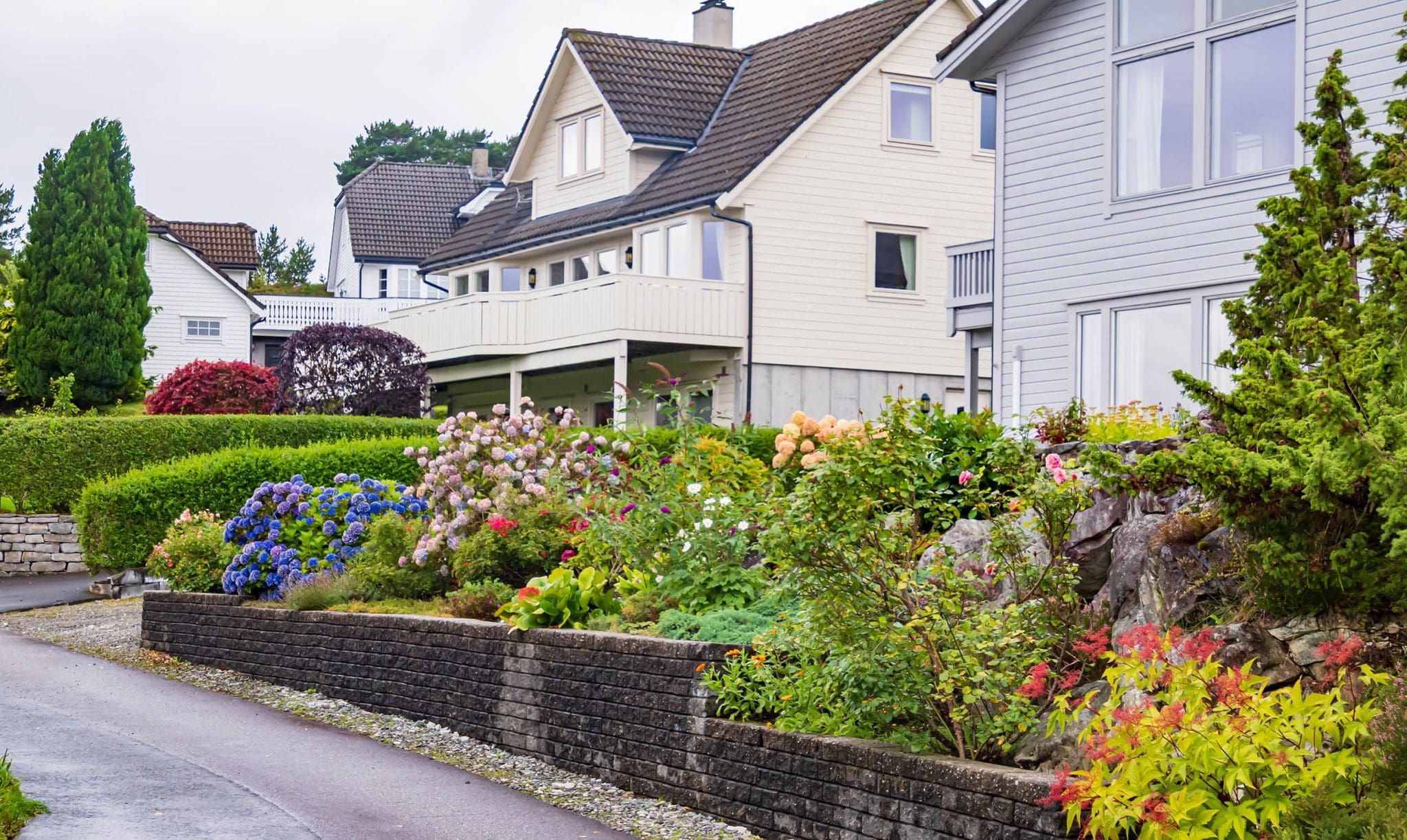
In Los Angeles, homes built on or near hillsides absolutely require strong, reliable retaining walls to manage water runoff and prevent erosion and structural damage. Happily, if built right, and by the right specialists, retaining walls can also add stunning style and create useful outdoor spaces for residential and commercial properties, which enhances their curb appeal and substantially increases their value! This blog is intended to provide you with information on how to design the right retaining wall for your LA property!
Why Hillside Properties Need Retaining Walls?
Hillside properties need retaining walls to hold back run-off water, improve drainage control, prevent erosion, and enhance slope stability. Retaining walls will actually reduce the risk of landslides and mudslides, which are so prevalent in our region and with our climate, especially for those structures that are built right next to sloped areas. Such retaining walls can not only level out uneven terrain, they can also stabilize the sloped areas and prevent them from crashing water, mud, and debris into a property during a rain event or an earthquake!
Design Considerations for Steep Terrain
Designing a retaining wall in Los Angeles requires careful planning to ensure that the wall is stable, durable, and is able to maintain its performance over time. This is especially important given LA’s frequent seismic activity, unstable soil conditions, and frequent heavy rainfall. One of the primary design elements to take into consideration is wall height and load, as walls that retain more than three feet of soil or support driveways, structures, or slopes, will require engineered designs.
Moreover, the choice of material also plays a critical role in design stability. In this regard, reinforced concrete and shotcrete or gunite walls may offer additional strength, while segmental block walls and gabions can provide flexibility and effective drainage. This brings up another important design point, which is drainage planning. It is important to note that water accumulation behind a retaining wall can create hydrostatic pressure which may lead to the wall’s failure. In this regard, incorporating weep holes, gravel backfill, or perforated pipes, helps to ensure that water is directed away from the wall, keeping the soil compact and reducing pressure on the structure. An experienced retaining walls contractor such as Weinstein Construction will be able to carefully evaluate a property’s soil type and compaction, as hillside soils can vary widely, from clay-heavy areas prone to shifting, to sandy or loose soils that require additional reinforcement.
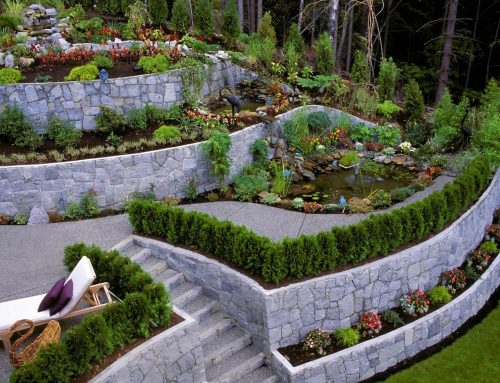
Finally, hillside retaining wall design LA requires taking into account seismic considerations. Retaining walls here should be designed to resist the seismic forces generated by earthquakes. Many walls may require reinforcement with steel or geogrid to prevent sliding or overturning. Moreover, terracing can also be an effective strategy for steep slopes, as such designs can reduce the overall load on individual wall segments, all the while providing an enhanced level of soil retention.
By considering all of these design factors and others, homeowners, engineers, and specialist retaining walls contractors such as Weinstein Construction, can create retaining walls that are safe and functional, providing stability and protection for LA residential and commercial properties.
Retaining Wall Permits and LA Compliance Requirements
In the city of Los Angeles, building a retaining wall on a residential property will only require a building permit if the wall exceeds three feet in height (as measured from the bottom of the wall’s footing to the top of the wall) or if the wall supports a driveway, structure, or steep slope (regardless of height). Moreover, walls that retain soil on slopes, impound liquid, or encroach into rights‑of‑way, will also typically need structural design by a licensed engineer, planning review, and approved permit documentation.
When a permit is required, the homeowner or the contractor building the wall must submit detailed plans showing wall height, location, adjacent slope conditions, any surcharge loads, and sometimes a soil investigation report. The engineering documentation for the wall must demonstrate its stability against overturning, sliding, excessive foundation pressure, and water uplift, especially in seismic zones as found throughout the Greater Los Angeles area. Furthermore, for walls eight feet or more in height, or located in hillside districts, the Los Angeles Department of Building and Safety (“LADBS”) may require additional landscape screening, visibility compliance, or coordination with planning for grading and property‐line effects.
However, retaining walls under the threshold of about three feet in height and not supporting loads or surcharge may be fully exempt from full building‐permit requirements, although they still must meet zoning, setback, and drainage standards. Before beginning work on a retaining wall, you would be wise to engage a qualified, experienced retaining wall contractor such as Weinstein Construction, to confirm your permit needs. This is because your non‑compliance in this area can lead to stop‑work orders, required undoing of work, and potentially significant cost and liability!
Best Materials for Hillside Stability
Residential and commercial properties in Los Angeles, especially ones built on, or near, hillside slopes, require careful consideration when choosing the best materials for retaining walls. This is because the combination of steep terrain, seismic activity, and our frequent heavy rains, all place unique demands on such structures. Among the most reliable materials options is reinforced concrete, which offers exceptional strength and durability when combined with steel rebar reinforcement. Poured concrete walls can be designed as gravity or cantilevered structures to resist lateral soil pressure, water load, and seismic forces, and they can be molded to fit the contours of irregular slopes, making them ideal for steep or challenging terrain.
Another highly effective material is shotcrete, also known as gunite, which is sprayed at high pressure onto a prepared surface. Shotcrete walls adhere well to uneven surfaces and can follow the natural slope of the land, reducing the need for extensive excavation. When reinforced with steel mesh or rebar, such walls provide enhanced stability and are particularly suited to seismic regions.
Moreover, gabion walls, constructed from wire baskets filled with decorative rocks, offer a different set of advantages, particularly for drainage and flexibility. The porous structure of gabion baskets allows water to pass through, reducing hydrostatic pressure behind the wall, which in turn helps prevent soil erosion and failure. Their ability to shift slightly without cracking makes gabions ideal for areas where some soil movement is expected, and their installation is relatively straightforward.
Segmental concrete block walls are another practical option, providing interlocking strength and ease of installation. When reinforced with geogrid, such walls can accommodate steep slopes and heavy loads while allowing water to drain through the joints, further reducing pressure on the soil. In all cases, using such materials in a strategic manner can create a hillside retaining wall that is both strong and resilient, ensuring long-term, sustainable protection for homes and commercial businesses.
Each type of wall has its own advantages depending on site conditions, design preferences, and the level of support required, and when you call the retaining wall specialists at Weinstein Construction, our professional consultation is completely free of charge and carries no obligation. We’ve designed and built custom retaining walls for LA hillside homes for over 40 years and will provide you with the guidance you need to make the best choice for your property!
If you are interested in building a strong, beautiful retaining wall, contact us for a free hillside retaining wall consultation today at (800) 862-6582! Schedule a free retaining wall consultation and protect your home or commercial against the effects of the next catastrophic weather event!
If you are planning a retaining wall project, check out our blog on Retaining Wall Cost Breakdown for LA Homeowners.