Balcony Safety Tips: Prevent Structural Failures in LA
In the Greater Los Angeles region, there are literally thousands of multi-family residential buildings that are built out of wood-framed exterior elevated elements (also known as “EEE” or “3E”) and these structures can, over time, become dangerous to anyone living or visiting them. The dangers from EEE failure are real, and collapses, especially of balconies and other load-bearing elements, can lead to tragedy. If you are the owner or manager of a residential property, you should know that EEE failure is not just a theoretical risk, but rather there are real structural dangers posed by decrepit EEE, that can result in catastrophic injury, loss of life, and significant legal liability of for the property owner.
The passage of California’s Senate Bill 721 was a direct response to a deadly balcony collapse in Berkeley, underscoring the urgent need for proactive inspections and maintenance. Today, balcony safety Los Angeles property owners prioritize is no longer optional. Today it is both a legal requirement and a moral responsibility. But the good news is that reputable, experienced balcony inspection and repair contractors such as Weinstein Construction can help, and structural failures of balconies and other EEE are preventable!
Maintaining the structural integrity of a balcony structure requires more than occasional visual checks. Hidden deterioration caused by water intrusion, dry rot, corrosion, and failed waterproofing systems can silently compromise load-bearing components beneath stucco and surface finishes. SB 721 safety requirements now mandate periodic inspections of certain exterior elevated elements to ensure compliance and prevent preventable failures. This blog and others like it written by the Balcony Law professionals at Weinstein Construction provides essential balcony inspection tips, maintenance strategies, and compliance guidance to help Los Angeles property owners and managers safeguard their properties and meet their regulatory obligations!
Why Balcony Safety Matters
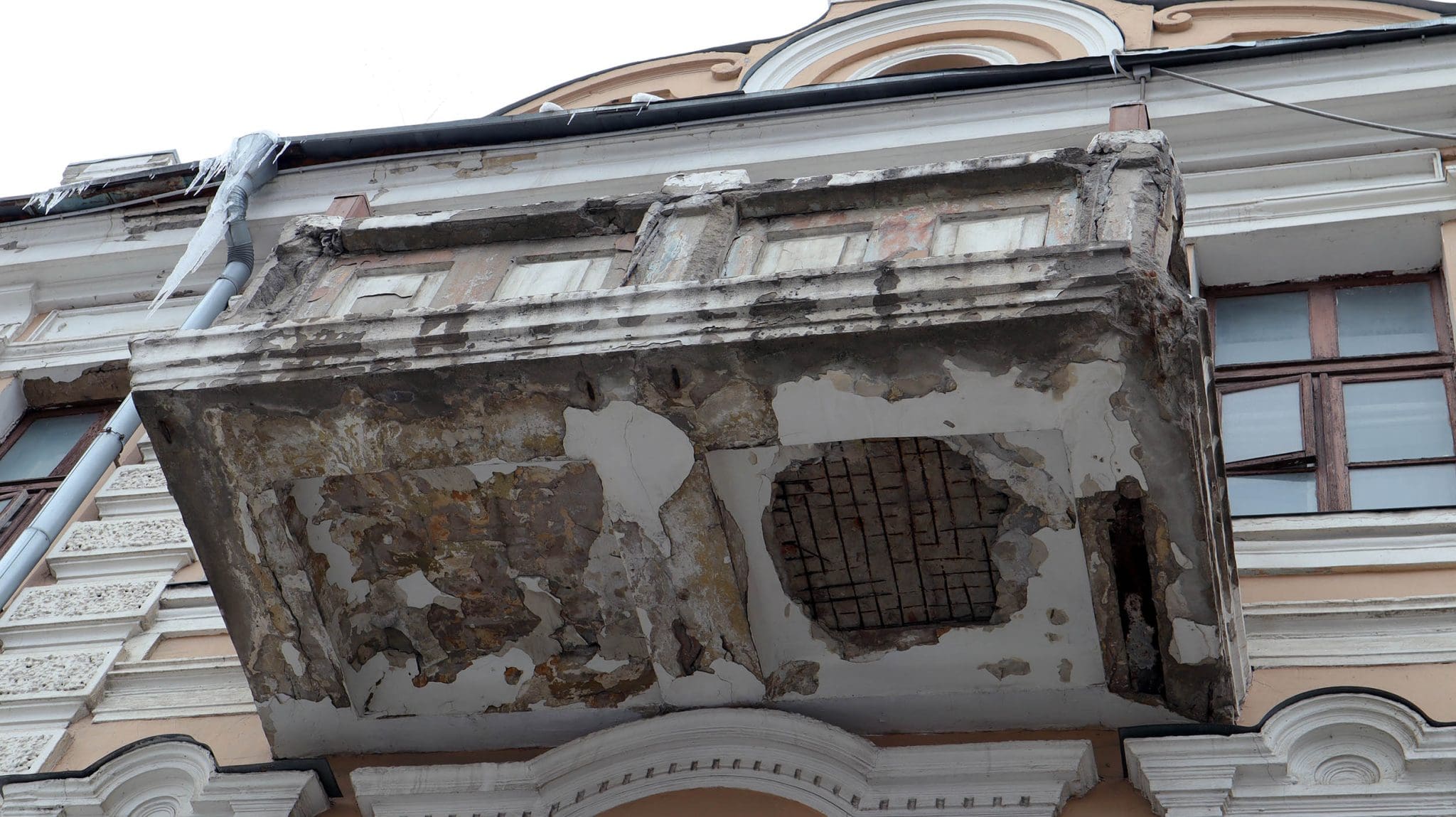
Balcony safety is not simply about preventing cosmetic damage or maintaining property value, but rather it is about protecting human life. In Los Angeles, where heavy rainfall, coastal moisture, and seismic activity combine to stress wood-based building materials, balconies and other EEE are continuously exposed to environmental forces that can weaken their structural systems over time. Many balconies and other exterior elevated elements are constructed with wood framing concealed beneath stucco or protective coatings. While these finishes may appear intact, concealed framing can deteriorate silently due to water intrusion, fungal growth, and corrosion.
SB 721 was enacted specifically to address the long-term deterioration of 3E’s such as balconies, decks, walkways, and stairways attached to multi-family apartment buildings. The law recognizes that surface appearance alone cannot reliably indicate structural soundness. Water can penetrate small failures in flashing or sealants and gradually rot internal framing without visible warning signs. This is particularly concerning in Los Angeles, where recent years have brought record rainfall totals not seen since the late 1800s. Such excess moisture accelerates decay, promotes toxic mold growth, and compromises structural stability.
Under SB 721 safety requirements, exterior elevated elements that are more than six feet above ground and constructed in whole or in part of wood must be inspected periodically. The law applies to multi-family residential buildings with three or more dwelling units. The inspections deadline was January 1, 2026, and thereafter, an inspection must occur every six years. These requirements establish a clear duty of care for property owners to proactively evaluate and repair potential hazards before failure occurs.
Having said that, the balcony safety Los Angeles property owners must prioritize extends beyond regulatory compliance. A compromised balcony structure can fail suddenly when overloaded with occupants or solid and heavy objects such as furniture or planters. The combination of moisture-related wood rot, rusted connectors, and weakened fasteners can significantly reduce load-bearing capacity so ensuring safety helps protect tenants, visitors, and property investments alike.
Common Warning Signs of Balcony Damage
Understanding the early warning signs of balcony deterioration is one of the most important balcony inspection tips property owners can follow. Because many wood-based structural components are concealed from view, damage often progresses quietly. However, attentive property owners and managers can often spot external indicators that may suggest deeper issues may be developing within the balcony structure. For example, wood rot is one type of damage that is among the most common forms of deterioration in Los Angeles properties. Although wood is a strong, durable, and cost-effective building material, when it is exposed repeatedly to moisture it can develop to fungal decay. Dry rot, in particular, can make wood appear superficially dry to the inexperienced eye while internally, such rot is compromising its core strength. If balconies and other EEE are not properly sealed from rain and moisture intrusion, the rot they experience simply becomes inevitable over time.
Moreover, rust and corrosion of EEE metal components present another serious warning sign. Wood-framed exterior elevated elements rely on metal brackets, flashings, bolts, and anchors for structural connections. When exposed to long-term moisture, such metal fittings do rust and become brittle, reducing their ability to support loads. Property owners and managers must keep an eye on EEE that incorporate metal components, and corroded hardware should never be ignored.
At the same time, cracking and surface deterioration of 3E elements may also signal structural problems. For example, balconies are frequently subjected to environmental stress and heavy use. Overloading balconies with large planters or heavy furniture can stress framing members beyond their intended design limits. For such heavy balconies, visible cracks in stucco, separation at joints, soft or spongy walking surfaces, or loose railings, may all indicate hidden structural compromise.
At this point, you are probably asking, what about water intrusion? Well, you would be quite right to ask that question, as water intrusion is one of the most destructive forces that affect balcony safety Los Angeles buildings. You see, mold thrives in moist environments and can grow within concealed framing, behind stucco, or beneath flooring surfaces. Such toxic mold not only affects indoor air quality but also accelerates wood decay and structural deterioration. Furthermore, efflorescence (harmful salt caused by water evaporation), staining, or persistent dampness may all indicate failed waterproofing systems.
Drainage problems also contribute to damage, as even the best waterproofing systems cannot function properly if balconies lack adequate slope to direct water toward drains or scuppers. The issue is that ponding water increase hydrostatic pressure and promotes membrane failure, allowing water to seep deeply into structural wood framing.
SB 721 inspections focus specifically on identifying these hidden risks by evaluating load-bearing elements, waterproofing systems, and connections. In some cases, somewhat invasive inspection methods such as limited drilling or borescope insertion may be necessary to assess concealed framing and in virtually all such cases, there are huge benefits to recognizing early warning signs, as these may allow property owners and managers to address issues before they escalate into costly structural failures.
Balcony Maintenance Best Practices
At the end of the day, proactive maintenance is the cornerstone of balcony safety. Waiting for visible signs of deterioration is a reactive approach that will undoubtedly increases both financial risk and potential liability. Look, at the end of the day, SB 721 encourages a proactive mindset shift, as it requires periodic evaluation and long-term planning rather than reactive repair after damage occurs]. In consequence, effective maintenance help protect both property occupants and visitors, as well as the property’s long-term value.
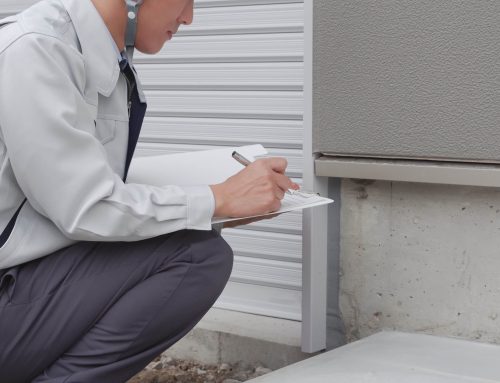
And so, regular inspections by qualified professionals are essential and SB 721 inspections must be conducted by licensed architects, engineers, or qualified specialty contractors with expertise in evaluating structural integrity. These inspections should assess load-bearing components, waterproofing membranes, flashing, and drainage systems. Professional oversight by knowledgeable and experienced contractors such as the Balcony Law professionals at Weinstein Construction can ensure that both structural and waterproofing elements are evaluated thoroughly.
Waterproofing maintenance is particularly critical in Los Angeles, as SB 721 safety requirements mandate evaluation of associated waterproofing elements, including membranes, flashings, coatings, and sealants. Property owners and managers must insist that high-quality waterproofing systems are used, including liquid-applied membranes that create seamless barriers or sheet membrane systems designed for durability and UV resistance. Such systems must be properly installed as per all manufacturer requirements, and you must make sure that your contractor is up to the task. The professionals at Weinstein Construction are highly-trained and experienced in waterproofing, and can ensure that proper installation techniques are used, and adherence to manufacturer specifications is practiced, as these are essential for long-term performance.
Moreover, drainage must never be overlooked, and balconies and other EEE must be able to direct water toward drains and prevent pooling. Blocked drains or scuppers should be cleared promptly, and flashing at horizontal-to-vertical transitions must remain intact to prevent leaks at joints and railing penetrations.
Property owners and managers must have in place a system of routine monitoring that includes, along others:
- Checking for cracked stucco or deteriorated sealants.
- Inspecting railing connections for movement or rust.
- Looking for signs of soft decking surfaces.
- Monitoring for mold odors or moisture staining.
- Ensuring balcony loads remain within safe limits.
The hope with such routine monitoring is that when minor issues are identified early, repairs may only involve inexpensive limited replacement of rotted boards, improved flashing, or membrane resealing. In other words, addressing waterproofing failures promptly prevents deeper structural decay and reduces long-term repair costs.
Finally, compliance budgeting should account for periodic inspection costs and potential repair contingencies. Because balcony inspection costs may vary depending on whether inspections are purely visual or require invasive techniques such as drilling or stucco removal to access concealed framing, planning ahead can reduce financial surprises and ensure that ongoing compliance meets SB 721 safety requirements.
When to Call a Balcony Repair Professional
While property owners can monitor visible conditions, certain situations demand immediate professional involvement. A property owner or manager’s attempt to self-diagnose structural issues without proper training can result in missed hazards and increased liability. This is why SB 721 explicitly requires that inspections be conducted by qualified professionals and prohibits unqualified self-inspections! You should call a professional immediately if you observe:
- Noticeable sagging or deflection in the balcony surface.
- Loose or unstable railings.
- Significant cracking in structural members.
- Persistent water pooling despite drainage maintenance.
- Visible rust compromising metal connectors.
- Evidence of mold growth or extensive water intrusion.
If your balcony inspector determines that an exterior elevated element is unsafe, you should take action within specified timeframes, and these actions may include restricting access and completing necessary repairs (note that emergency conditions may require immediate attention to protect occupants). If your balcony inspectors are property trained and experienced, they should be able to advise you on this subject, as Weinstein Construction’s Balcony Law professionals certainly would.
And so, selecting a qualified contractor is critical. As a property owner or manager, you should understand that experience matters. Balcony inspectors with extensive experience in balcony inspections and repairs will understand both regulatory requirements and real-world construction conditions, and “fly-by-night” inspectors will not, so make sure you have the right partner by your side to conduct such inspections and undertake repairs, if they are necessary.
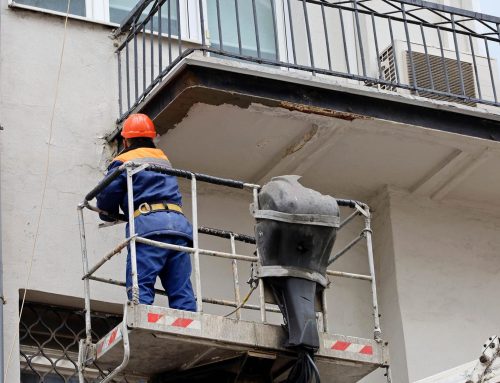
And when it comes to repair options, these will vary depending on damage severity and accessibility. Some balconies and EEE may require targeted repairs such as replacing localized rotted framing or reinstalling waterproof membranes while others may require full structural reconstruction to meet modern building codes. In that respect, accessibility can impact repair complexity, particularly when scaffolding or lift equipment is necessary.
Look, balcony and EEE collapses are preventable tragedies. With proactive inspections, diligent maintenance, and qualified professional support, property owners and managers can protect lives, preserve property value, and remain compliant with California law.
Because SB 721 compliance is not a one-off or one-time event, but rather a process that unfolds over a longer period of time, you will want what Weinstein Construction offers, which is a long-term partnership where deeply experienced and knowledgeable specialists help you inspect and repair your valuable assets and keep them safe over time. Because you deserve this level of SB 721 support, schedule your Balcony Inspection with Weinstein Construction today! Our team has helped many LA property owners navigate SB 721 balcony repair requirements so Schedule your SB 721-compliant inspection today by calling us at (866) 623-5788!