
How SB 721 Affects Multi-Family Balcony Inspections and Repairs in Los Angeles
California Senate Bill 721 represents a new compliance challenge to owners and managers of multi-family residential buildings in the Greater Los Angeles region. The law was enacted to address a serious and often overlooked structural safety issue: the long-term deterioration of balconies and other Exterior Elevated Elements (also called “EEE” or “3E”) that are exposed to weather, moisture, and daily use. Such EEEs are familiar to us all and their safety is often taken for granted, when it shouldn’t be. When such EEEs fail, the consequences to life and property can be devastating.
For owners and managers of apartment buildings in Los Angeles, understanding SB 721 is no longer optional. SB 721 multi-family inspections take aim at the root safety issues of such EEE, which are often constructed with stucco covered wood-framed elements that deteriorate over time as a result of intruding water. The safety of such EEEs and compliance with this law is now essential to avoiding associated penalties, as well as potential civil and criminal liability when things go wrong. Not only does compliance protect property value, more importantly, it keeps property residents safe.
What Is SB 721 and Why It Matters
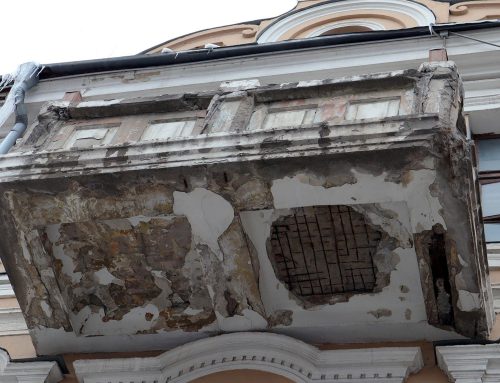
SB 721 was created to ensure that balconies, decks, stairways, walkways, and other 3E that attached to apartment buildings are inspected periodically to ensure that they remain safe, effective, and structurally sound. The truth is that damage to EEEs is frequently hidden beneath stucco finishes and can go unnoticed for years. Silently, over time, water intrusion, dry rot, corrosion, and weakened connections can compromise load-bearing components until a sudden failure occurs, putting at risk the lives of those people who live or visit these properties.
So, what does the SB 721 law require?
It mandates periodic inspections of EEEs that are elevated more than six feet above ground. The inspection’s primary focus is on those elements that are made out of wood or wood-based structural components, as such materials are particularly vulnerable to moisture-related deterioration over time. All owners and managers of such properties must undertake these inspections, which are not just regulatory checkboxes, but rather are meaningful ways to identify risks early and take remediation steps to repair issues before they escalate and become safety concerns.
In essence, what is required is a bit of a mind shift for owners and managers: no longer is maintenance of EEEs reactive to their being damaged, but rather SB 721 demands a proactive approach to evaluation, along with long-term planning. If you are the owner or manager of a multi-family apartment building and you are wondering whether you can inspect your own building, the answer is absolutely not. You must have an inspection and repair partner such as Weinstein Construction, who can help you manage your compliance journey.
And so today, owners and property managers must manage this “risk” proactively and hire balcony inspectors who are experienced in evaluating load-bearing components, connections, and protective systems, to determine whether or not they are safe and capable of continued use. Again, even non-lawyers will tell you that the issues here are both practical and legal, as from a legal standpoint, SB 721 establishes a clear duty of care for owners who are responsible for knowing the condition of their EEEs and addressing health and safety hazards in a timely manner. Ignoring this compliance obligation potentially exposes owners to government enforcement actions, fines, and even liability, if a health and safety incident occurs.
Which Properties Are Impacted by SB-721
SB 721 applies to a wide range of multi-family residential properties, which are especially common in the Greater Los Angeles area. Generally, the law covers buildings with three or more dwelling units that contain EEEs made in whole or in part of wood or wood-based products. Such EEEs are subject to inspection when they are intended for use by residents or guests and are more than six feet above ground level. Such an inspection will cover private balconies attached to individual apartments, as well as shared exterior walkways, elevated staircases, decks, and landings. While decorative architectural features that are not designed for occupancy are typically excluded, it does sometimes make good sense to include them in the mix as well. As you can imagine, such buildings are common throughout Los Angeles, from small apartment complexes to large multi-building developments!
The other day, one of our clients asked us, “you know, my building is well-maintained and was recently renovated, do I need to inspect it?” The answer is absolutely, positively yes! All multi-family residential apartment buildings are subject to SB 721 if they meet the above criteria, and this law is not just limited to older or dilapidated properties. If a building meets the criteria, inspections are required regardless of the building’s condition. Naturally, this is because the surface appearance of an EEE cannot reliably indicate its condition, and its concealed structural components may be rotten to the core, and yet not be especially visible to the outside.
This is because in Los Angeles, a significant portion of our housing stock EEEs were built with wood framing covered with stucco and waterproof coatings, and over time, even small failures in flashing or sealants allows moisture to penetrate such elements and damage them. Without regular inspection, such damage gets worse quickly.
Inspection & Repair Requirements for Multi-Family Units
If you are wondering, what are the inspection and repair requirements under SB 721, you should know that they were drafted to require a thorough inspection and yet provide owners and managers with some flexibility in how they can meet their compliance obligations. Essentially, the law specifies who can perform the inspections, what must be evaluated, and provides owners with some leeway on how to respond to identified issues.
For example, SB 721 inspections must be conducted by qualified professionals who have the expertise to assess the structural integrity of an EEE. This includes licensed engineers, architects, and certain specialty contractors such as the professionals at Weinstein Construction, who have the necessary skills, knowledge, and experience for this job. As a Los Angeles property owner or manager, you should know that you must work with a firm that specialize in this field, to make sure your inspection team understands both regulatory requirements and real-world construction conditions.
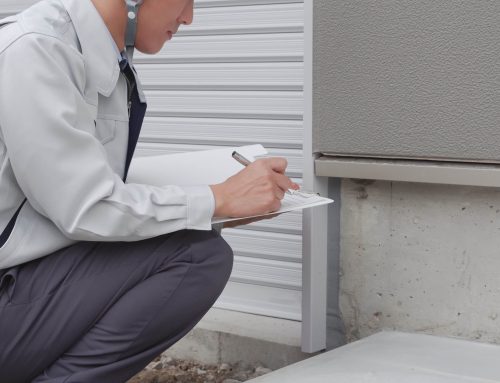
Your property’s inspection team will evaluate a representative sample of EEEs, focusing on their load-bearing elements and waterproofing systems. For example, Weinstein Construction’s inspectors look for signs of water intrusion, rot, corrosion, inadequate drainage, and compromised load-bearing connections. In some cases, an invasive inspection is necessary (e.g., by using a bore scope) in order to assess concealed framing or elements.
When inspectors identify that an EEE is unsafe or potentially unsafe, the property’s owner or manager are required to take action within specified timeframes. In such cases, taking action may include restricting access to the EEE, applying for repair permits, and then completing repairs within the allotted time frames. The goal here is to ensure that safety issues are addressed before they result in injury or failure.
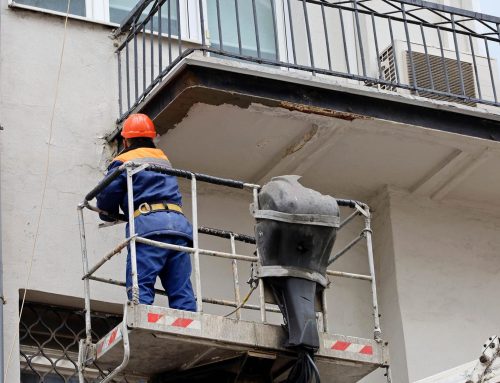
If you are wondering how EEEs are repaired, the answer is that repairs will vary widely, depending on the issue and the condition of the EEE. Some issues may involve repairs of waterproofing membranes, replacement of damaged wood portions, improved drainage, etc. Other issues may require more extensive structural work (e.g., when significant wood rot is found), including rebuilding balconies or walkways to modern building codes. This is where experience is important, and when balcony repair Los Angeles professionals such as the ones at Weinstein Construction will shine! It takes skills and knowledge to know how to undertake proper repairs, as they must address not only visible damage but also the underlying causes of ongoing deterioration. Simply patching surface finishes without correcting waterproofing or structural issues will just lead to recurring problems and so it is important to choose the right partner for inspections and repairs!
How Weinstein Construction Helps You Stay Compliant
Compliance with SB 721 is far more manageable when you have experienced professionals on your side who understand the law, the city’s building codes, as well as the realities of Los Angeles’ multi-family buildings. Weinstein Construction has played a critical role in helping property owners navigate this process from start to finish. We have provided the following services to clients just like you, in your own neighborhood!
-
Respectful Inspection Services
Weinstein Construction offers SB 721 inspections designed specifically for apartment buildings in Los Angeles. Our approach reflects our deep understanding of how your EEEs are built, how they may fail, how to evaluate them effectively, and how to repair them in a cost-effective manner. Our inspections focus on both structural integrity and waterproofing performance, and we are experienced with conducting inspections sensitively in resident-occupied buildings. Our teams will plan inspections carefully to minimize disruption to your residents, while at the same time accessing critical areas. We always practice a thoughtful, respectful approach to inspections and this will help you keep your tenants satisfied and cooperating during the process.
-
Integrated Repair Solutions
One of the key advantages of working with Weinstein Construction’s balcony inspection professionals is our ability to move seamlessly from inspection to repair. When we identify issues, the same team that understands your property’s condition can design and execute appropriate repairs. Such continuity reduces miscommunication, shortens work timelines, and ensures that repairs are addressed properly, with minimal disruption to your business. Moreover, Weinstein Construction’s balcony repair Los Angeles services can range from targeted fixes to full structural reconstruction. In other words, we conduct repairs with attention to code compliance and long-term performance, as well as budgetary needs.
-
Permitting, Documentation, and Guidance
Beyond conducting inspections and repairs, the balcony professionals at Weinstein Construction can also support owners and managers with the administrative side of SB 721 compliance. In other words, we can help you understand the law and its requirements (e.g., record-keeping, inspection timelines, etc.) and also assist with permitting and reporting.
For many owners and managers, this type of guidance is just as valuable as the technical work itself! Look, we know balcony compliance law can be complex, especially if you own and manage multiple properties. So, having a knowledgeable partner such as Weinstein Construction to undertake your apartment building inspection and repair can reduce uncertainty and help you stay ahead of your deadline obligations!
At the end of the day, SB 721 is not a one-time event, or a process that plays out over a couple of days. What smart and capable property owners and managers want is what Weinstein Construction is offering: a long-term partnership where specialists help guide, inspect, and repair valuable assets, helping to keep them safe over time. You deserve this level of SB 721 support so stay SB 721 Compliant — schedule your Balcony Inspection today! Our team has helped many LA property owners navigate SB 721 balcony repair requirements so protect your residents — book an inspection with Weinstein Construction by calling us at (866) 623-5788 today!
Learn more about our Balcony Inspection Services page for multi-family compliance.