
Retaining Wall Cost Breakdown for LA Homeowners
Are you planning to build a retaining wall at your Los Angeles home or commercial property? If so, you are likely very interested in finding out additional information about what constructing such a retaining wall will cost. We are here to provide you with answers and a cost breakdown! Read on to learn about typical pricing, what affects costs, and how to keep your project affordable without cutting corners.
At the outset, you should know that retaining wall costs will vary based on the wall’s size, materials, and the conditions at the job site. In our Greater Los Angeles region, we are defined by hillside neighborhoods, clay-heavy soils, intense seasonal rain, and heightened seismic activity. All of these natural conditions make retaining walls less of a luxury and more of a necessity. From stabilizing slopes to protecting foundations from water runoff, these structures play a critical role in safeguarding homes and commercial properties and preserving their values.
Understanding the full retaining wall cost Los Angeles homeowners and property owners can expect requires more than just looking at the construction price per square foot. It involves evaluating engineering requirements, drainage needs, permit fees, labor conditions, and long-term maintenance considerations. This guide provides a comprehensive breakdown of material costs, block wall pricing LA residents commonly encounter, local labor and permit expenses, and smart strategies to protect your landscaping budget while maintaining quality and structural integrity.
What Factors Affect Retaining Wall Costs?
If you are wondering what factors affect retaining wall costs, we have the answers for you. But, before we get into material pricing, it’s important for you to understand what truly drives the cost of a retaining wall in Los Angeles. In Los Angeles, no two properties are identical, and as such, a small decorative garden wall built in a flat backyard will have different requirements than a structural hillside retaining system supporting a driveway or home foundation. Moreover, several environmental and regulatory factors will likely influence construction costs, and they include hillside terrain, variable soil conditions, heavy winter rainfall, and seismic design requirements, all of which will add complexity.
In addition, city compliance standards and engineering documentation may be required depending on wall height and structural load. A competent retaining wall construction firm such as Weinstein Construction will take all of these variables and combine them to determine the final retaining wall cost Los Angeles homeowners should budget for. Let’s examine the most significant cost drivers!
(1) Wall Height and Length. Wall dimensions are the foundation of pricing. The taller and longer the wall, the more materials and labor are required. Here are some general guidelines:
- Walls under 3 feet are generally simpler and more affordable.
- Walls exceeding 3 feet often require engineering and permits.
- Walls supporting slopes, driveways, or structures demand additional reinforcement.
In Los Angeles, retaining walls over three feet in height typically require a building permit (measured from the bottom of the footing to the top of the wall). Engineering documentation may also be necessary to demonstrate stability against sliding, overturning, and seismic forces. As height increases, so do excavation depth, footing thickness, steel reinforcement needs, drainage systems, and inspection requirements. All of these generally increase material costs and labor expenses.
(2) Soil Conditions & Drainage Requirements. Los Angeles soils range from clay-heavy hillside terrain to loose sandy areas. Clay soil, in particular, expands when wet and contracts when dry, placing changing pressure on retaining walls. Moreover, one of the biggest structural risks is hydrostatic pressure, which is water buildup behind the wall. When drainage is inadequate, accumulated water significantly increases soil pressure and may cause cracks, bulging, or failure.
In hillside areas, retaining walls are essential for managing runoff and preventing erosion that could threaten structures. Although drainage components add a bit of an upfront cost, they are essential in reducing long-term repair risks and protecting the property’s overall landscaping budget. When taking into consideration proper drainage systems, these may include gravel backfill, weep holes, perforated drain pipes, French drains, and geogrid reinforcement.
(3) Hillside & Seismic Design Requirements. Los Angeles hillside properties absolutely require strong retaining walls to manage water runoff and prevent erosion and structural damage. Additionally, seismic reinforcement is critical in this region. Retaining walls may need:
- Steel rebar reinforcement
- Cantilevered concrete design
- Geogrid reinforcement layers
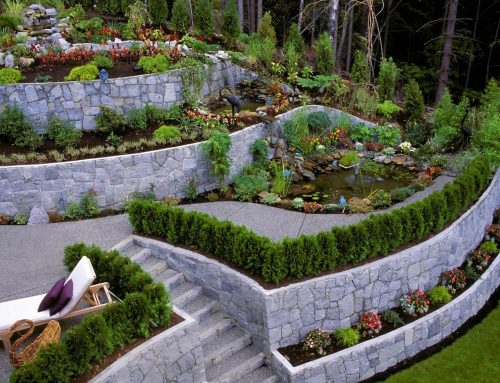
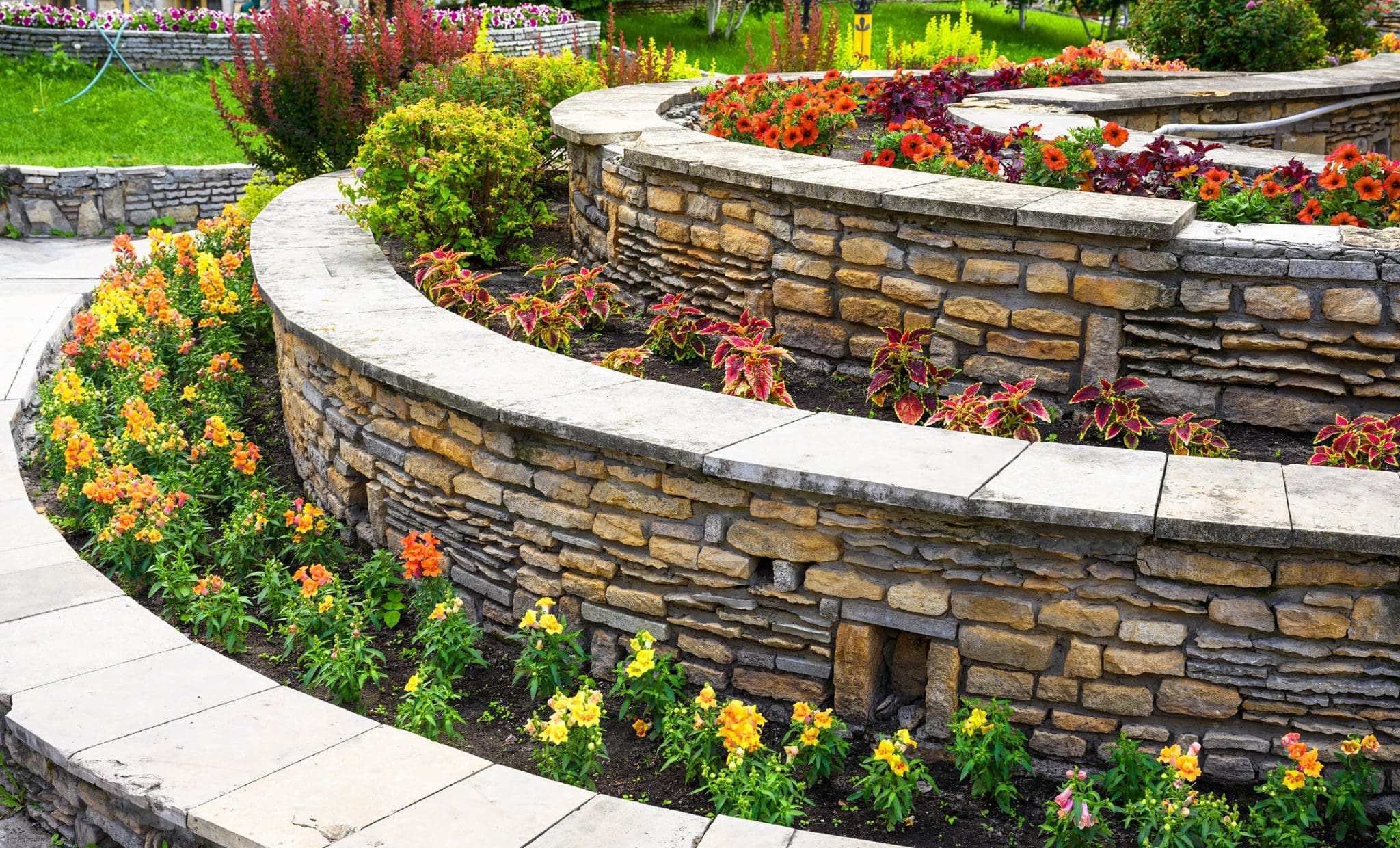
- Terraced configurations to distribute loads
Designing for earthquake resistance adds complexity but is essential for safety and long-term durability.
(4) Site Accessibility & Excavation. Access to the property job site can impact labor costs significantly, especially when the access is restricted, difficult, or dangerous. Moreover, if heavy equipment cannot reach the site, for example when the retaining wall is built on a very steep hillside, manual labor is used, which makes the project more time-intensive. Typical factors that raise costs include:
- Narrow side yards
- Limited equipment access
- Steep slopes
- Tree root removal
- Soil hauling and disposal
Cost by Material (e.g., Concrete, Block, Stone).
Choosing the construction material for a Los Angeles retaining wall can be a significant cost factor. The type of wall you choose affects not only the upfront price but also durability, maintenance needs, and aesthetic value. In Los Angeles, materials must withstand moisture pressure, shifting soils, and seismic movement. Therefore, selecting the right material isn’t purely about appearance, but rather it’s about matching structural requirements with budget expectations. Below is a breakdown of common retaining wall materials and typical installed pricing ranges in Southern California.
(1) Reinforced Poured Concrete. Concrete walls are among the strongest options available. Reinforced with steel rebar, they provide exceptional structural integrity for hillside and load-bearing applications. The benefits of using concrete walls is that they have:
- High strength and longevity
- Strong seismic resistance
- Custom shapes and contours
- Ideal for steep slopes
Concrete walls can be designed as gravity or cantilevered systems to resist soil and water pressure. They may carry somewhat higher labor costs due to forming, pouring, curing, and reinforcement installation, but they provide outstanding long-term value for structural applications.
The estimated cost of reinforced poured concrete is $40–$70 per square foot installed.
(2) Segmental Concrete Block Walls. Segmental block walls interlock for strength, allow natural drainage through joints, and can be reinforced with geogrid. The benefits of such walls is that they allow for faster installation, they have an attractive modular appearance, they provide good drainage performance, and they offer structural capability. For many residential projects, this option offers the best balance of material costs, aesthetics, and durability.
The estimated cost of segmental concrete block walls is $30–$55 per square foot installed
(3) Natural Stone Walls. Stone walls are often selected when aesthetics and property value are top priorities. They deliver premium curb appeal and can substantially increase property value. The benefits of natural stone walls is that they have a timeless aesthetic, strong durability, and when built right, a high-end finish! Some of their potential drawbacks (often when designed and constructed by inexperienced builders) include higher labor intensity, increased material cost markup, and the requirement for skilled, experienced craftsmanship.
The estimated cost of natural stone walls is $50–$100+ per square foot installed.
(4) Gabion Walls. Gabion walls use wire baskets filled with decorative rocks, and they are Gabions are particularly useful for erosion control and slope stabilization in areas prone to runoff. Their porous structure can reduce hydrostatic pressure, allows superior drainage, and accommodate slight soil shifting.
The estimated cost of gabion walls is $25–$45 per square foot installed.
Labor & Permit Costs in LA
While material selection often gets the most attention, labor and permit expenses are also important components of the total retaining wall cost Los Angeles homeowners must prepare for.
Due to our region’s high cost of living and complex hillside construction conditions, labor rates in Los Angeles can exceed national averages, especially when you are choosing the wrong contractor to do the job! In addition, regulatory compliance requirements may involve permits, engineering documentation, inspections, and soil reports, so understanding these costs upfront prevents budgeting surprises, and choosing an experienced, knowledgeable contractor such as Weinstein Construction is essential!
(1) Labor Costs. Labor typically accounts for as much as 40%–60% of total project expenses. Factors that increase labor costs can include, among others:
- Extensive excavation
- Steel reinforcement installation
- Drainage system integration
- Engineering supervision
- Difficult site access
This is a cost consideration where picking a knowledgeable, experienced retaining wall contractor such as Weinstein Construction is essential! Improper construction can cause inspection failures and increased expenses and hiring experienced professionals helps avoid costly rework!
(2) Permit Fees & Compliance. Retaining walls over three feet generally require permits in Los Angeles. Additionally, walls that support driveways, retain steep slopes, and impound water, may require engineering review regardless of height. Permit-related expenses may include, among others:
- Application fees
- Plan check fees
- Structural engineering documentation
- Soil investigations
- Inspection costs
Failure to obtain proper permits can result in stop-work orders and required demolition or reconstruction.
(3) Engineering Costs. Structural retaining walls often require engineering plans demonstrating stability against overturning, sliding, excessive foundation pressure, and seismic forces. Engineering fees will range depending on complexity, and it will be to your benefit to ensure that the retaining walls contractor you choose has a solid, long-term relationship with the project engineer, which is what Weinstein Construction has!
Tips to Save Without Sacrificing Quality
Reducing retaining wall cost Los Angeles projects doesn’t mean cutting corners. The goal here is to allocate your budget strategically, while at the same time preserving structural integrity and long-term durability. By planning carefully and prioritizing proper design, you can protect your budget while ensuring that your retaining wall performs reliably for decades. Below we present some proven cost-control strategies!
(1) Optimize Wall Height. If feasible, keeping walls under three feet may reduce permit and engineering requirements. Moreover, terracing multiple shorter walls can distribute soil loads, reduce structural demands, and enhance landscape aesthetics
(2) Never Skip Drainage. It is important to note that drainage problems are a leading cause of wall failure. This is because water buildup increases hydrostatic pressure and can cause cracking or collapse. Investing in gravel backfill, weep holes, and French drains, will help protects against future repair costs.
(3) Perform Routine Maintenance. Twice-yearly maintenance inspections are recommended to detect cracks, bulges, or drainage issues early. Such maintenance should include:
- Checking for structural cracks.
- Clearing weep holes and pipes.
- Controlling vegetation and roots.
- Repairing minor cracks promptly.
Your consistent upkeep will extend your wall lifespan and reduces repair expenses!
(4) Match Material to Structural Need. Look, at the end of the day you should avoid overbuilding when unnecessary. What you should do is use reinforced concrete for major hillside stabilization, choose block systems for moderate slopes, select stone for aesthetic upgrades, and use gabion systems where drainage flexibility is critical. Smart material selection balances strength with cost efficiency!
(5) Hire Qualified Professionals. For a retaining wall construction project, you must choose the right contractor! Your contractor must be knowledgeable, experienced, and a long-term presence in this city, as improper design or unskilled construction can increase project costs and fail inspections. In Los Angeles, where rainfall, erosion, and seismic activity pose real risks, professional expertise, such as that found at Weinstein Construction, can help protect your investment and your property!
If you’re considering a retaining wall, the most accurate way to determine your specific cost is through a site evaluation! Call the retaining wall specialists at Weinstein Construction at (800) 862-6582! Schedule a free retaining wall consultation and protect your home or commercial against the effects of the next catastrophic weather event! Find out your retaining wall cost—book a consultation now!