

Quick answer: A foundation inspection in Los Angeles is a visual and measured review of your home’s footing, slab or crawl space, drainage and framing, usually done by a licensed engineer or qualified inspector. It looks for cracks, settlement and moisture, then ends with a written report that says whether repairs are needed.
If a door has started sticking or you noticed a new crack in the stucco, you are probably wondering whether it is cosmetic or something bigger. A foundation inspection is how you find out. It is also a smart step before buying a home or collecting repair bids. Here is what actually happens, who should do it, and what to do with the results.
Key takeaways
- An inspection reviews the exterior, the interior, the crawl space or slab, and the drainage around the house.
- Many cracks are cosmetic. Cracks that widen, run in a stair-step pattern, or come with sloping floors deserve a closer look.
- A licensed engineer can give you an independent opinion, separate from any repair bid.
- The report should tell you what is wrong, how serious it is, and what the repair options are.
- Water and drainage problems are among the most common contributors to foundation trouble, so they are part of any good inspection.
What is a foundation inspection?
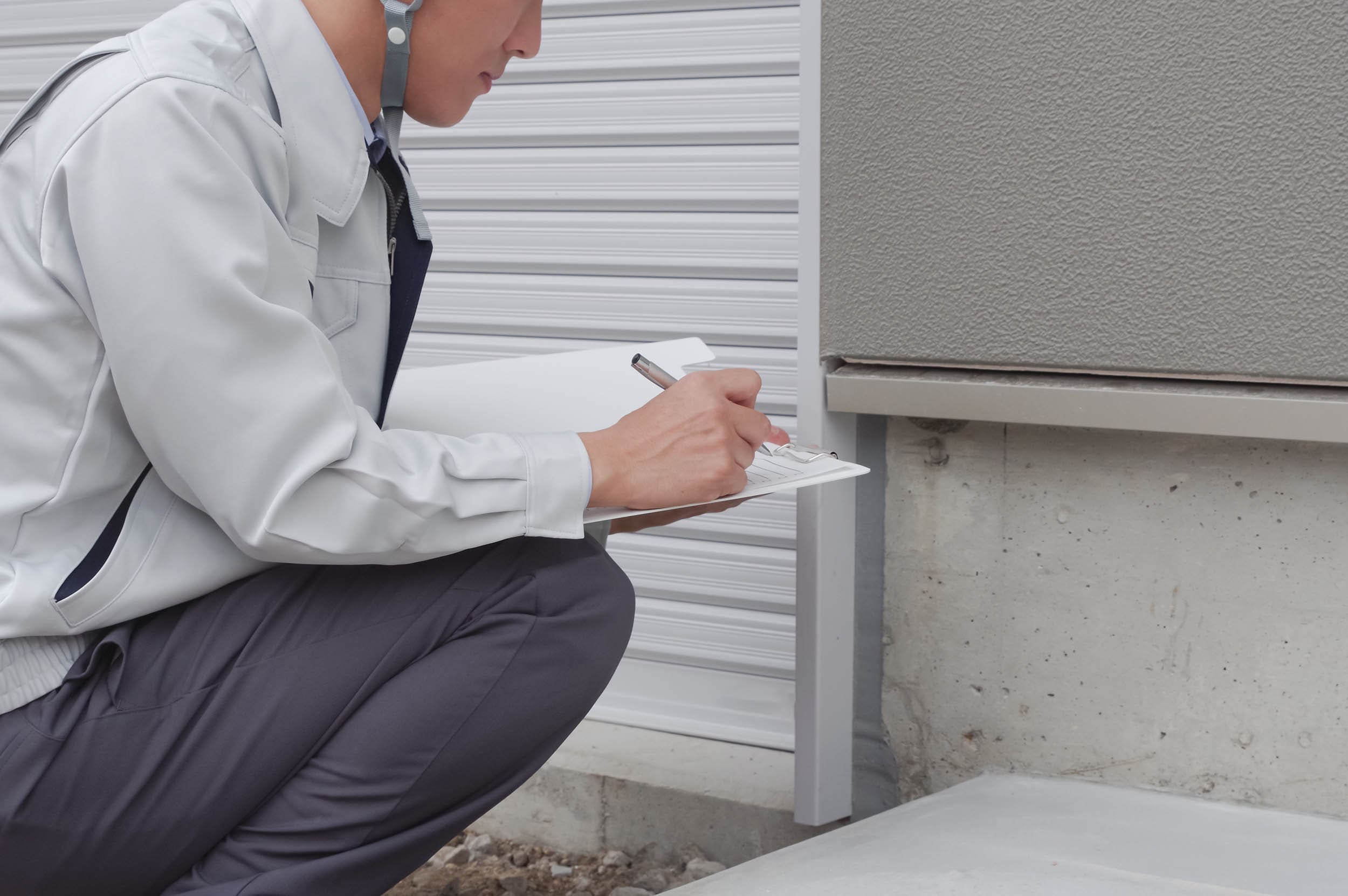
A foundation inspection is a structured check of the parts of your home that carry its weight and keep it level. That includes the footings, the slab or the raised floor system, the foundation walls, and the framing that sits on top. The inspector looks for signs of movement, damage and moisture, and records what they find.
It is different from a general home inspection. A general inspector looks at the whole house, from the roof to the water heater, and may flag foundation concerns in passing. A foundation inspection goes deeper on structure alone. If you want to understand the warning signs first, our guide to home foundation cracks is a good place to start.
What does an inspector actually check?
Most inspections move from the outside in, then underneath. The exact steps vary by house type, but the table below shows the usual areas and what each one can point to.
| Area | What the inspector looks at | What it can suggest |
|---|---|---|
| Exterior walls and grade | Cracks in stucco, brick or concrete; soil slope; gutters and downspouts | Settlement, or water pooling near the foundation |
| Interior rooms | Doors and windows that stick, cracks above openings, sloping or bouncy floors | Movement in the floor system or footing |
| Crawl space | Posts, beams, sill plates, anchor bolts, moisture, signs of rot or pests | Failing supports, water intrusion, or weak connections |
| Slab | Cracks, uneven surfaces, gaps where the slab meets walls | Settling, heaving or soil erosion beneath the slab |
| Drainage | Where roof and surface water goes, low spots, retaining walls | Whether water is feeding the problem |
Many inspectors also measure floor levels with a simple level or a more precise instrument. A measured reading tells you how much a floor slopes, which is more useful than a hunch. A single reading is a snapshot, though. If the inspector suspects ongoing movement, they may suggest monitoring the cracks over time.
How can you tell a harmless crack from a serious one?
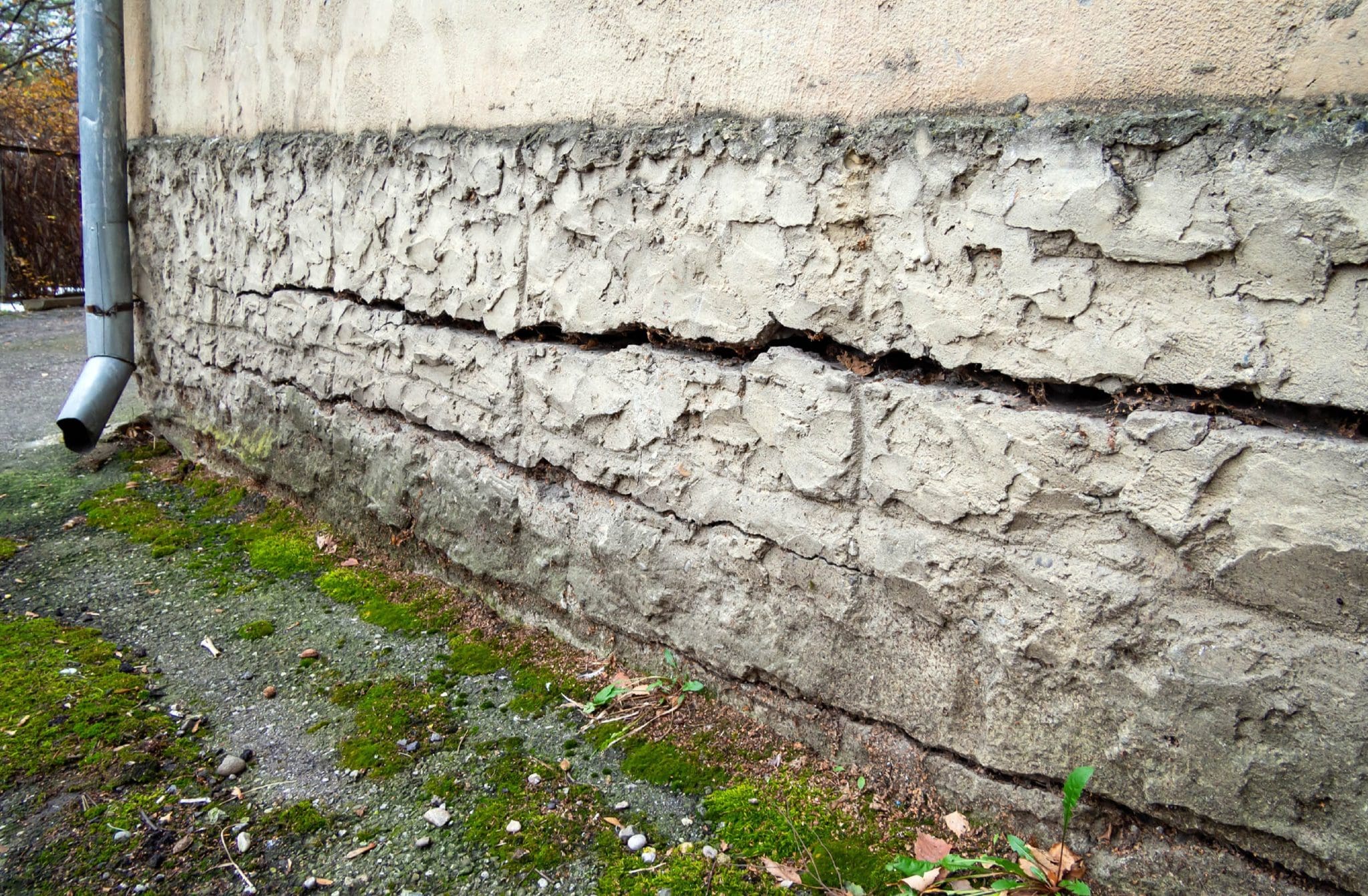
Thin, hairline cracks in concrete are common and often come from normal curing and shrinkage. Cracks that are wider, that grow over time, that run horizontally, or that form a stair-step pattern through block or brick are commonly treated as reasons for a closer look. Cracks paired with sticking doors or uneven floors point to movement rather than surface wear.
Who should perform a foundation inspection in Los Angeles?
You have a few choices, and each has a different role.
- A licensed structural or civil engineer. This is the most independent option, since the engineer does not profit from repair work. You can check a professional engineer’s license through the California Board for Professional Engineers, Land Surveyors, and Geologists.
- A home inspector. Useful for a first pass during a home purchase. They may recommend an engineer if they see red flags.
- A foundation repair contractor. A contractor can assess the problem and explain repair methods and pricing. Confirm the contractor’s license on the Contractors State License Board site before you sign anything.
Many owners use both an engineer for the diagnosis and a contractor for the repair. If you only get a contractor’s opinion, consider a second opinion for anything that involves major work.
Why do Los Angeles homes need special attention?
Southern California homes deal with a mix of conditions. Hillside lots can see soil creep. Some neighborhoods sit on soils that swell when wet and shrink when dry. Older houses may have raised foundations with weak connections. Seismic activity adds another layer. The California Geological Survey publishes hazard zone information, including mapped areas for liquefaction and landslides, that can help you understand the ground your home sits on.
Water is the common thread. Poor drainage can wash soil out from under a footing or saturate it until it moves. That is why a good inspection always looks at where water goes. If drainage is part of your concern, see our overview of drainage solutions.
When should you schedule one?
Consider an inspection in any of these situations:
- You are buying a home, especially an older one, and want to know about structural issues before closing.
- You see new or widening cracks, sloping floors, or doors and windows that no longer close well.
- You notice gaps between walls and floors or ceilings.
- Water has pooled near the house or flooded the crawl space.
- You are planning a remodel or addition that will add load to the existing foundation.
- Heavy rain or an earthquake has shaken the property and you want peace of mind.
How should you prepare for the inspection?
A little preparation makes the visit more useful. Clear access to the crawl space hatch and any utility areas. Move stored items away from foundation walls where you can. Write down what you have noticed, such as when a crack first appeared or which door started sticking. Take dated photos of cracks and place a ruler beside them so changes are easy to compare later. If you have past repair records, permits or earlier reports, have them ready.
What does the report tell you, and what happens next?
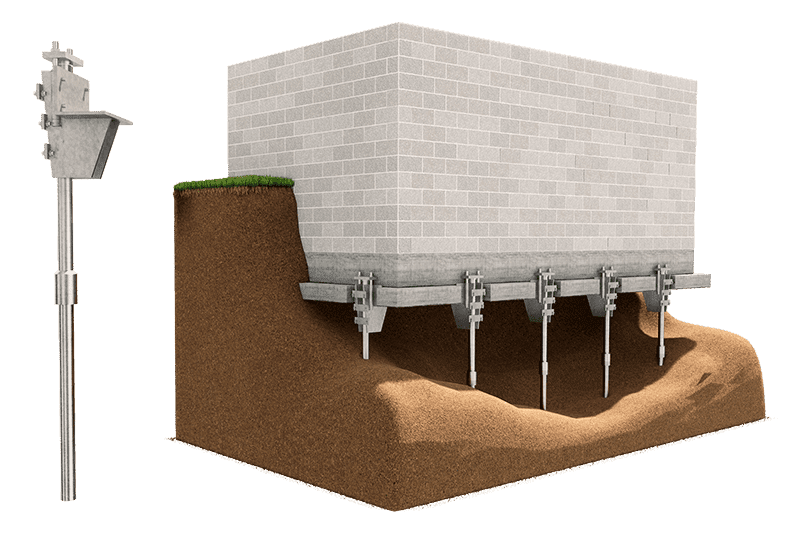
A solid report describes the conditions found, includes photos and measurements, rates how urgent each issue is, and recommends next steps. It may suggest simple fixes, like regrading soil or repairing gutters. It may also point to structural work such as crack repair, slab repair, or foundation underpinning where the footing needs deeper support.
Once you have the report, collect estimates from licensed contractors and compare the scope, not just the price. Ask each one to explain why their method fits the findings. Repair work on a foundation often requires a permit, so check requirements with the Los Angeles Department of Building and Safety or your local city building department. For an overview of the repair paths available, read about foundation repair in Los Angeles.
Frequently asked questions
Does a foundation inspection always lead to repairs?
No. Plenty of inspections end with a clean report or with minor maintenance advice, such as improving drainage or sealing small cracks. The point is to know the condition of the structure, whatever it turns out to be.
Can I inspect my own foundation?
You can and should look for visible signs, like new cracks, sticking doors and pooling water. A walkthrough is a good way to decide whether to call a professional. It does not replace a trained evaluation, because many structural issues sit out of sight or require measurement.
Is a foundation inspection the same as a structural inspection?
They overlap. A structural inspection can cover the whole load-bearing system, including framing and connections. A foundation inspection focuses on what sits at and below floor level. In practice, the two are often combined.
Next steps
If you have spotted warning signs or want a second set of eyes on a quote you received, Weinstein Construction, a Los Angeles foundation repair and retrofit contractor, can talk through your situation and explain what the repair options look like. You can reach the team through weinsteinconstruction.com.