
Balcony Repair vs. Replacement: Which Option is Best for Your LA Property?
If you are an owner or manager of a commercial property in the Greater Los Angeles region, you already know that balconies are some of the most defining architectural features of apartment buildings, condominiums, and multifamily properties across the city. Such Exterior Elevated Elements (“EEE” or “3E”) provide residents with outdoor living space, enhance property appeal, and contribute to a building’s overall value. And yet balconies are also exposed structures, constantly subjected to sun, rain, moisture intrusion, and structural stress. Over time, even the most well-built balconies can show signs of wear, water damage, or deterioration. And when a balcony shows damage, owners and managers such as yourself must decide: should I repair or replace? Well, that decision is rarely simple, and it requires a careful evaluation of visible damage, hidden structural risks, regulatory requirements, and long-term investment strategy. Fortunately, this blog will help you weigh cost, compliance, and safety, so that you can make the right call!
Our Los Angeles clients who are owners and managers of multi-unit apartment buildings know that for them, the stakes are particularly high. California state law now mandates inspections and compliance measures, placing EEE and balcony safety at the forefront of ownership responsibilities. Beyond the legal obligations, there are real safety concerns when waterproofing fails or structural components deteriorate. To the untrained eye, a surface crack may seem insignificant, but the potential underlying wood rot or corrosion can compromise the integrity of the entire element! And so, choosing between a repair and a full balcony replacement is a balancing act, which requires taking into consideration not just the cost of structural repairs, but also regulatory inspection due dates, the potential benefits of a balcony upgrade, and the health and safety of all who live in the property. While property owners and managers often focus on budget first, the law requires that safety and compliance must lead the conversation. At the end of the day, understanding when a repair is appropriate and when replacement is the better option can protect both the health and safety of the property’s tenants, as well as the property’s long-term value.
Common Balcony Issues That Need Attention
At Weinstein Construction, we urge owners and managers, before they decide whether to repair or replace a balcony, to take some time to understand the most common issues that develop with such elements. Balconies are Exterior Elevated Elements, meaning that they are directly exposed to the elements. They often include wood framing, waterproofing membranes, railings, and surface coatings, and a weakness in these systems can quickly lead to deterioration. What begins as a cosmetic issue can evolve into a serious structural concern if not addressed promptly!
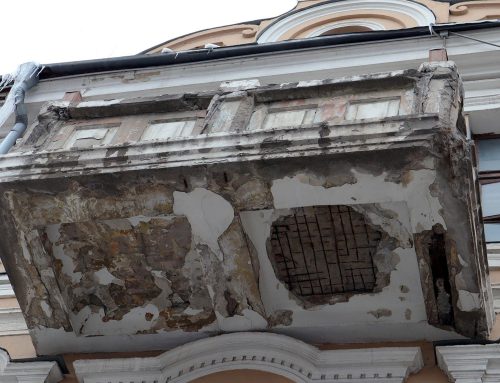
Despite the debate about “Climate Change,” it remains true that water intrusion is one of the most frequent and damaging balcony problems in Los Angeles. When waterproofing membranes are improperly installed or when they fail, moisture can seep into the underlying wood framing. Over time, this moisture can lead to dry rot, wood decay, and a general weakening of structural components. Waterproofing failures are a primary cause of balcony damage and often require immediate attention to prevent further deterioration. Moreover, once water penetrates this system, it can remain trapped, accelerating internal damage that is not immediately visible from the surface.
And then you have surface cracks and waterproofing coating failures, which are also common warning signs. Balcony walking surfaces as well, are under constant foot traffic, temperature fluctuations, and UV exposure. Cracked coatings often allow water to penetrate the substrate, and this can lead to delamination and internal moisture buildup. If left unaddressed, even minor surface damage can become a precursor to more extensive structural repairs!
Railing instability is another issue that requires evaluation. Railings are critical safety components, and loose or corroded railing systems create serious falling hazards. In some cases, railing damage may be isolated and repairable, but in others, railing deterioration can signal a much deeper structural compromise within the balcony framing itself.
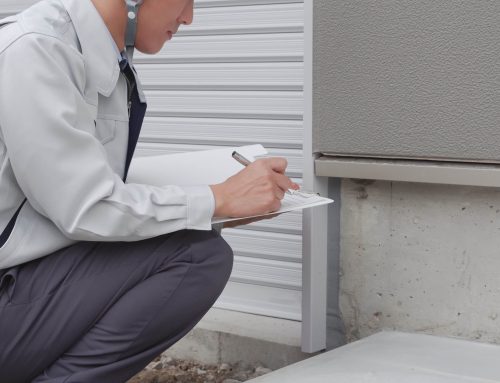
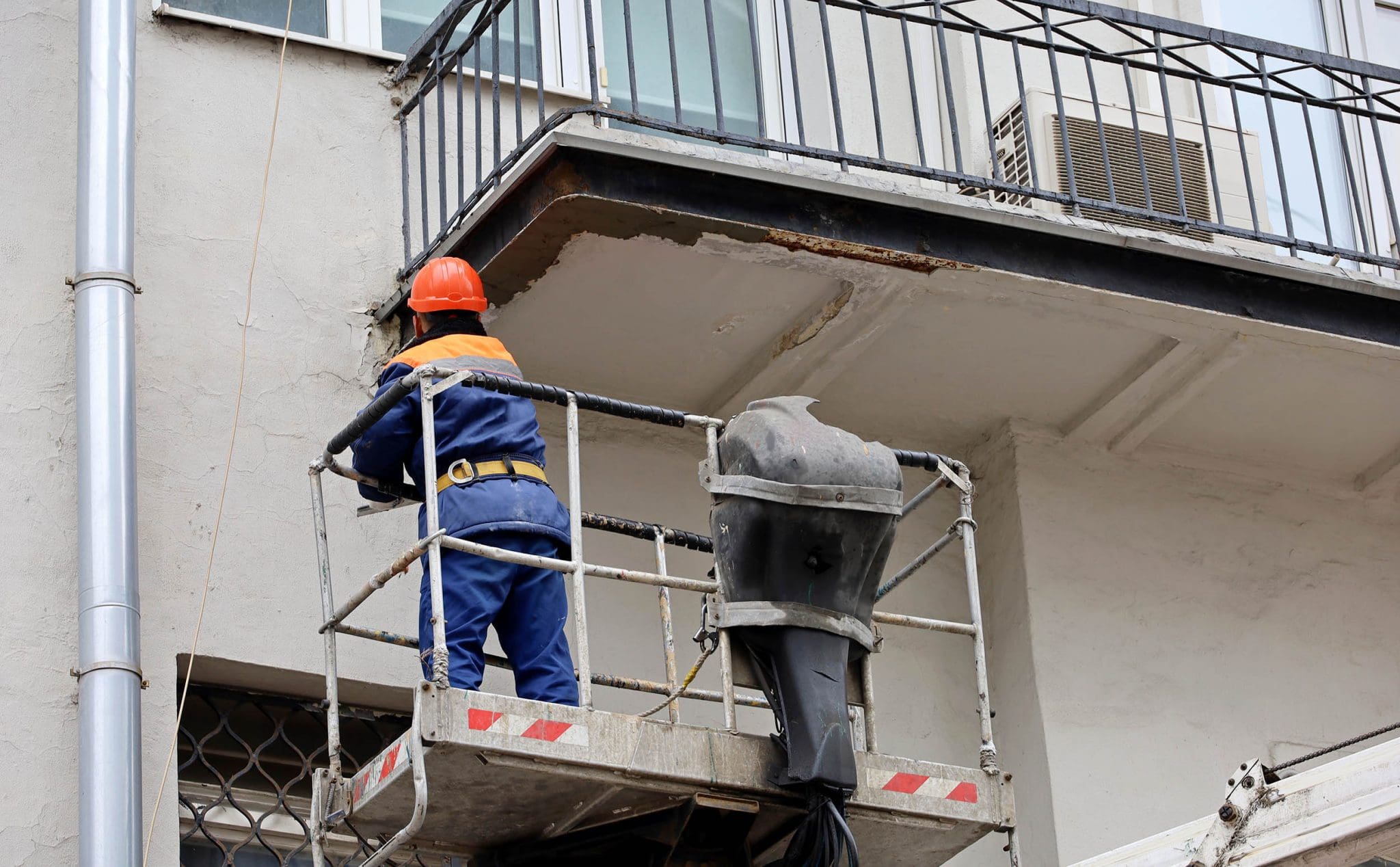
At the end of the day, structural deterioration of load-bearing components is perhaps the most serious concern: wood joists, beams, and ledger connections can weaken due to prolonged moisture exposure, and when these elements lose structural capacity, the entire balcony may become unsafe. California law requires that EEEs such as balconies undergo periodic inspections to identify unsafe conditions. And when inspectors such as the professionals at Weinstein Construction inspect a balcony, they look for signs of wood rot, corrosion, improper flashing, and compromised connections.
In many cases, property owners first notice symptoms rather than causes, for example, “soft spots” underfoot, sagging sections, peeling coatings, or water stains beneath balconies. These are all indicators that further investigation is needed! Property owners and managers who ignore these signs are doing so at their peril, as such issues often result in expensive damage over time and increased potential legal liability. As you can imagine, whether the solution is repair or full replacement will, at the end of the day, depend on the severity and extent of the deterioration.
When a Balcony Repair Makes Sense
Once balcony inspectors identify damage, the next step is determining whether a targeted repair is sufficient. Not all balcony problems require full replacement, and in fact, many issues can be addressed effectively through localized structural repairs and waterproofing restoration (of course, provided the underlying framing remains sound). The key is early detection and accurate assessment by qualified professionals such as the ones at Weinstein Construction.
Repair often makes sense when damage is limited to surface coatings or isolated areas of waterproofing failure, and if inspections reveal that the structural framing is mostly intact and that deterioration has not spread extensively. In such cases, repairing the affected sections can restore safety and extend the balcony’s lifespan. In this regard, recoating systems, replacing damaged membrane layers, and addressing minor wood decay can be cost-effective solutions when caught early.
If you are a property owner or manager, especially one who oversees multiple units, you will be interested to know that balcony repair costs vary depending on the extent of damage, materials used, and accessibility, and that repairing localized issues is generally less expensive than full replacement. When only small sections of framing require reinforcement or replacement, a repair strategy can preserve much of the existing structure while maintaining compliance and safety.
Repairs are also appropriate when a balcony inspector classifies the balcony as “safe, with recommended maintenance,” rather than “structurally unsound.” Under California requirements, 3E inspections must document conditions and identify necessary corrective actions. If the report indicates minor deficiencies rather than immediate hazards, timely repairs can then bring the balcony back into compliance without necessitating full reconstruction. In such cases, restoring waterproofing systems, improving drainage, and reinforcing select components can extend service life while controlling costs.
However, you should take note that repairs must be comprehensive enough to address the root causes of the repairs. Simply patching visible damage without resolving the underlying waterproofing failures or drainage deficiencies may result in recurring problems. As such, structural repairs should be accompanied by proper flashing, slope correction, and membrane installation, to prevent repeat water intrusion. This is where a repair strategy formulated by highly-skilled balcony repair professionals such as the ones at Weinstein Construction can address both surface and underlying issues and can help balconies maintain years of continued service.
When Balcony Replacement is the Better Option
While repairs can be effective in many cases, there are some situations where full balcony replacement is the safer and more financially responsible choice. Our clients agree with us that such replacement is often warranted when structural damage is widespread, when framing components have lost significant strength, or when repeated repairs have failed to solve ongoing issues.
For example, extensive wood rot or structural compromise is a clear indicator that replacement may be necessary. If inspections reveal that load-bearing elements such as joists, beams, or ledger attachments are severely deteriorated, patchwork repairs may just not be able to provide sufficient long-term stability. In such cases, rebuilding the balcony from the framing outward ensures that all compromised materials are removed and replaced with properly protected components.
Replacement may also be required when a balcony is deemed unsafe under the State of California’s inspection standards or the City of Los Angeles’ building codes. California’s SB 721 requires that certain multifamily building EEEs undergo periodic inspections and if an inspection identifies conditions posing an immediate safety threat, corrective action must be taken promptly. In some cases, the extent of deterioration simply makes replacement the most reliable solution to achieve and maintain compliance with the law.
Another consideration is the lifecycle cost of the EEE. Simply put, while replacement may carry a higher upfront expense, as a property owner or manager, you may deem replacement to be more economical over time, if ongoing repairs continue to accumulate. Sometimes you just have to realize that when balconies have reached the end of their service life, investing in a full rebuild can eliminate recurring repair expenses, enhance health and safety, and reduce long-term liability.
Compliance Considerations Under SB 721
Any discussion of balcony repair versus replacement in Los Angeles must address compliance obligations under SB 721. As you likely already know, this California law requires the inspection of Exterior Elevated Elements in multifamily apartment buildings that have three or more dwelling units. EEE’s such as balconies, decks, stairways, and walkways, which rely in whole or in substantial part on wood framing, fall directly within the scope of this law. Under SB 721, property owners and managers must hire qualified inspectors to evaluate these elements and document their structural condition. The inspection process typically involves visual examination and, in some cases, limited destructive testing to assess concealed components (e.g., boring a small observation hole into stucco surfaces). During their inspections, balcony inspectors look for signs of water intrusion, wood decay, corrosion, improper flashing, and compromised connections.
If the inspection identifies unsafe conditions, the report will specify required corrective actions and timelines. Immediate hazards must be addressed without delay, and local enforcement agencies may require proof of corrective work. In some instances, recommended actions may involve targeted structural repairs, and in more severe cases, a full balcony replacement may be necessary to satisfy compliance requirements.
Failure to comply with SB 721 can expose property owners to penalties, liability, and increased risk. But beyond regulatory consequences, noncompliance can create safety concerns for tenants and visitors alike. As such, addressing balcony issues promptly, whether through repair or replacement, can help ensure adherence to legal standards and demonstrate responsible property management.
Look, ultimately, at Weinstein Construction we believe that compliance should not be viewed as a burden but rather as a safeguard, and that regular inspections and timely corrective actions protect lives and preserve property value. What our professionals help owners and managers of properties do is understand balcony inspection requirements, document repairs, and invest in appropriate solutions to both meet legal obligations and enhance long-term asset performance.
Every property is unique, and the right solution depends on inspection findings, budget constraints, and long-term capital investment goals. Whether you are considering a localized repair or a complete balcony upgrade, professional evaluation by experienced inspectors such as the ones at Weinstein Construction is essential to making an informed decision. For over 40 years, Weinstein Construction has been helping LA property owners make the right repair choices – call us at (866) 623-5788 to request a free balcony repair or replacement consultation today!